

When Should You Specialize? A Realistic Guide For Aspiring Scientists
Written by Jessica Colla
Published on 1/5/26
Many aspiring scientists feel pressure to specialize early, believing that a narrowly focused degree is the key to success. In reality, timing your specialization incorrectly can limit your options and make an already competitive field even harder to navigate. This guide explains when specializing helps—and when it can quietly work against you—so you can make informed decisions about your education.
This blog may contain affiliate links. If you make a purchase through these links, Kaimana Conservation may earn a small commission at no additional cost to you. Your support helps us continue our mission to promote ocean conservation and education. Thank you!

If you’re interested in a career in marine biology, chances are you’ve asked yourself at least one of these questions:
When should I specialize in my academic career?
How specialized is TOO specialized?
Is it too early to focus on a marine specialty?
What if I choose the wrong degree and can’t find a job?
These deceptively simple questions carry a lot of weight. Making the “wrong” choice means paying for it later — emotionally, financially, or professionally. When I was preparing to attend college, these questions were the kind that kept me up at night. I scrolling through university websites, job boards, and social media—trying to reverse-engineer a “perfect path” into a notoriously competitive field.
It’s easy to feel like you need to commit early or risk falling behind. But here’s the truth most professionals don’t talk about: Specializing too early can actually limit your opportunities — not expand them. At the same time, never specializing (or doing so without intention) can also stall your career.
Now, if you’re starting to hyperventilate … BREATH! This article is designed to help you time your specialization strategically for maximum opportunity. There is no single “right” path to a flexible, resilient career. But there are smarter ways to sequence your education to set yourself up for long-term success.
Let’s dive in!

What Does it Mean to “Specialize” anyway?
In simple terms, specializing means narrowing your academic focus toward a specific subject, organism, system, method, or skill set. In marine science, specialization can look very different depending on where you are in your education and what kind of work you want to do.
In marine science, specialization might look like this:
Specializing by topic: coral reef ecology, marine mammal bioacoustics, fisheries management, molecular microbiology, ocean acidification
Specializing by system: coastal ecosystems, polar seas, nutrient cycling
Specializing by skills: GIS mapping, statistics, programming, underwater survey techniques
But it can also look like this:
Academically: through your degree title or thesis topic
Professionally: through jobs, internships, and research roles
Technically: through transferable skills that apply across many fields
It’s important to understand that specialization doesn’t happen all at once. It is rarely a single decision you make on day one of college. Instead, it’s a gradual process that evolves as you gain exposure through academic experiences like lectures and internships.
You can also specialize in different ways at the same time. You might have a broad academic degree while developing highly specialized technical skills during workshops or supplementary trainings. Or you might specialize academically later, after years of general training in entry-level jobs.
What’s important to remember is that you can begin specializing without locking yourself into a degree title. Many students confuse special interest with commitment to a specialization — and that’s where problems start.

What’s the difference between Specialized and broad Degrees?
Another major source of confusion for students is understanding how “broad” or “narrow” a degree really is. Not all science degrees offer the same flexibility, and unfortunately professors and academic advisors don't always do a good job at clarifying. So, let’s break degrees into three broad categories:
Broad, foundational degrees:
Include programs like biology, environmental science, ecology, chemistry, or earth science. These degrees are highly transferable and teach fundamental scientific principles like experimental design, statistics, chemistry, data analysis and critical thinking. These core skills are perfect for entry-level positions because they apply across ecosystems (terrestrial, freshwater & marine) and job sectors. If your interests change—or if you need to pivot due to job availability or limited funding—these degrees give you room to move!
The downside? You may need to work a bit harder to “signal” your marine focus through electives, internships, or hands-on experience. But that tradeoff is usually worth it early on.
Moderately specialized degrees:
Include programs like marine science, oceanography, or coastal environmental studies. These degrees provide a clear focus on ocean systems, while still maintaining breadth across multiple sub-disciplines. They’re often a good middle ground for students who are confident they want to work with the ocean but aren’t sure how yet. You gain marine context without fully narrowing your options too early.
Highly specialized degrees:
Include marine biology or niche programs like marine mammal science, coral reef ecology or fisheries management. These programs are appealing for their depth and sense of direction—and often marketed heavily to incoming students—but they are highly specialized and the least transferable outside of the marine science world. Much of the training is ecosystem- and method-specific. If you later decide to shift fields—or if opportunities are limited in your niche—you may find that employers outside of the marine industry struggle to see how your skills apply.
A key takeaway here: Your degree title matters less than the skills and experience you gain in the program. No degree is inherently “bad.” But they work best when chosen intentionally with a future career path in mind, and at the right stage of your academic journey.

When Should You Specialize?
So now that you know it's important to time your specialization, lets break down each academic stage and explain how to avoid narrowing your path too early—while still making meaningful progress.
Early Undergraduate Years (Freshman–Sophomore)
At this stage, your primary goal should be exploration and foundation-building. You should be focused on curiosity, not commitment.
This is the time to take broad science courses and develop core skills, even if they feel unrelated to your goals at first. Biology, chemistry, math, physics, and statistics all form the backbone of marine science. Learn how science actually works! You’re not behind if you’re still figuring out what excites you—this is exactly what these years are for. Without this key opportunity, you may never find which topics REALLY interest you and find enjoyment in your career down the line.
Many students arrive at college with a romanticized idea of marine biology, only to discover later that their interests lie elsewhere—data analysis, policy, education, or even a different branch of science altogether. This is what happened to me! I was academically trained to be a research scientist because its what I thought I wanted, but I found my “true love” in science communication and education years later while navigating the job market! Imagine the time I could have saved if I had explored at the beginning of my academic journey?
I encourage you to join marine or environmental clubs. Network and volunteer when possible. Talk to professors and older students about their paths. Take a range of electives that sound interesting, not just strategic. Exposure to different sub-fields is how clarity develops and will guide you into the next steps of specialization.
Key message: Curiosity matters more than certainty at this stage.
Late Undergraduate Years (Junior–Senior)
This is where soft specialization begins.
By now, you’ve taken enough courses to know what you enjoy and what you don’t. This is a good time to choose upper-level electives that align with your emerging interests. Pursue internships, participate in field courses, or get involved in undergraduate research. Begin building specialized skills and develop a deeper understanding of topics you may want to pursue in your career. I can still pinpoint exactly which classes most influenced MY professional development. And I opted to take almost all of them later in my academic journey after “connecting the dots” between various interests.
This stage also helps answer critical questions like:
Do I enjoy research?
Do I prefer fieldwork or analysis?
Do I like applied conservation, policy, or education?
Do I dislike lab work or statistics?
Do I prefer adjacent fields I hadn’t considered before?
Remember: choosing electives does not mean declaring permanence. You’re gathering information and testing possible paths—not locking in a lifelong career.
Key message: Try before you commit.
Post-Baccalaureate or Gap Years
This stage is often overlooked, but it can be incredibly valuable for those who take the time.
Many students feel pressured to move directly into graduate school after earning their bachelors degree to stay “on track.” In reality, stepping away from academia temporarily often leads to MUCH better outcomes.
Take a break between undergraduate and graduate school to strengthen your resumé and gain real-world experience! If you jump straight into grad school, you miss essential time to test your interests in realistic scenarios, strengthen graduate school applications, and even clarify whether advanced degrees are truly necessary for your goals. Research technician roles, laboratory internships, field assistant positions, and public education jobs all provide valuable insight into what daily work actually looks like. These will make you more confident about your future decisions to specialize.
Key message: Gain real-world experience and test paths before graduate school.
Graduate School (Master’s, PhD, Post-Doc)
This stage of your academic journey is where specialization becomes both strategic and necessary.
Graduate school is designed for depth. THIS is the time to focus on a specific research area, methodology, or applied problem. Your specialization should purposefully align with your interests and be guided by your career goals, advisor support, lab fit, available funding opportunities, and job market realities.
Many competitive marine science careers require advanced degrees, particularly in research, academia, and leadership. Specializing at this stage makes sense because you’re doing so with more information and experience behind you, and are equipped with an arsenal of transferrable skills for insurance.
Key message: Specialize when it serves your long-term goals and is backed by broad, transferrable skills.

Academic Inflation, Transferability, and the Realities of the Job Market
In order to decide when and how to specialize, it’s important to zoom out and look at the broader forces shaping marine science today. Many of the pressures students feel — fear of being under-qualified, urgency to pursue advanced degrees, anxiety about limited job availability — aren’t personal shortcomings. They’re the result of systemic trends within the industry. If you want to learn more about challenges in the marine science industry, check out my article Reality Check! What No One Tells You About a Career in Marine Science.
One of the most influential of these trends is academic inflation. Over time, jobs that once required a bachelor’s degree now routinely expect a master’s, and positions that once welcomed early-career scientists are increasingly filled by candidates with PhDs and extensive postdoctoral experience. This doesn’t necessarily mean the work itself has become more complex — it means competition has increased while funding and long-term positions have not.
As a result, employers are looking for candidates who bring demonstrable, transferable skills alongside their academic training. Specializing too early can unintentionally narrow your options in a job market that already offers limited opportunity and instability. Highly specialized degrees may prepare you deeply for a specific niche, but if funding shifts, hiring freezes occur, or your interests evolve, pivoting can be extremely difficult if you lack adaptability.
This is particularly true in fields like marine biology, where much of the training involves highly specific fieldwork or organism-focused research that doesn’t translate easily to other disciplines or applications. I fell into this trap myself by hyper-specializing in coral reef ecology and cetacean biology after years of working in the tropics. But when I relocated to the Pacific Northwest, it was very challenging to transition to temperate waters with strong local focus on watersheds and fisheries.
In contrast, broader degrees tend to provide a more flexible skill set. A general biologist can work across terrestrial, freshwater, and marine systems by applying the same foundational methods — experimental design, data analysis, lab techniques, statistical reasoning — across a variety of contexts. That flexibility can be a powerful buffer in an unpredictable job market.
It’s also important to address a reality most marine biology students don’t learn until late in their academic journey: “marine biologist” is rarely a job title. As a matter of fact, Marine Biology is an overused Buzzword and How its Impacting Your Career. Roles that contribute to ocean conservation, research, and management don’t require a marine biology degree specifically. Most ocean-related careers fall under broader labels like researcher, analyst, consultant, educator, technician, or manager. Employers care more about what you can DO over the specific name of your degree. Skills such as data analysis, coding, GIS, science communication, project management, and policy literacy are all highly valued across marine AND environmental sectors and are therefore more marketable than ocean-specific expertise.
Again, this doesn’t mean specialization is bad — it means specialization needs to be informed and timely. The most strategic time to specialize is often after you understand:
How competitive your desired field is
What credentials are required
What backup pathways exist if conditions change
When specialization is layered on top of a strong foundation of skills and knowledge, it becomes an asset rather than a risk. BUT when it replaces that foundation too early, you are no longer considered an adaptable employee in the minds of employers. Specialization should align with real jobs that exist today — not just dream titles.
Reflection Questions to Help You Decide
If you’re still unsure whether—or when—to specialize, ask yourself:
What types of work energize me most?
Which classes do I enjoy and perform well in?
What skills am I building right now? What skills am I currently lacking?
What jobs exist for my specialization today?
Would I still be okay doing this work if funding or location options were limited?
What alternative pathways are available to me if jobs were unavailable?
Use this series of questions to guide an honest self-reflection. The more realistic you are with yourself about your goals and accessible opportunities, the better prepared you will be to address the specialization question.

So … what’s The VErdict?
If there’s one takeaway from this article, it’s this:
Generalize early. Specialize later.
The takeaway isn’t to avoid specialization — it’s to recognize that external forces matter. Job markets fluctuate. Funding priorities shift. Life circumstances change. Timing your specialization strategically gives you the best chance to navigate those realities without feeling trapped by a decision you made before you had the complete picture. Keep your degree broad in the beginning, allowing you leeway to explore more career options and build a solid foundation of technical skill and expertise. If and when you continue to climb the professional ladder into research, academia or leadership, specialties will get you there.
If you choose to specialize early—or if you don’t plan to pursue graduate school—make sure your specialization is viable before locking yourself into a niche with limited job availability. Research job demand. Understand long-term salary expectations. Imagine living with that career for decades, not just years.
Thoughtful timing and consideration can make all the difference.
Join the Conversation & Comment below:
Where are you in your academic journey right now? Exploring, specializing, or feeling stuck somewhere in between?
What’s your biggest fear or question about specializing too early—or too late?
Have you already chosen a major or specialty? Looking back, would you do anything differently?
What topics would you like more guidance on next? Degrees, grad school, job paths, or transferable skills?
👇 Drop your thoughts, questions, or experiences in the comments below.
Your question might inspire a future article—and chances are, someone else reading this needs the same reassurance you’re looking for!










SHOP JESSICA’S FAVORITE
OCEAN-LOVER ESSENTIALS
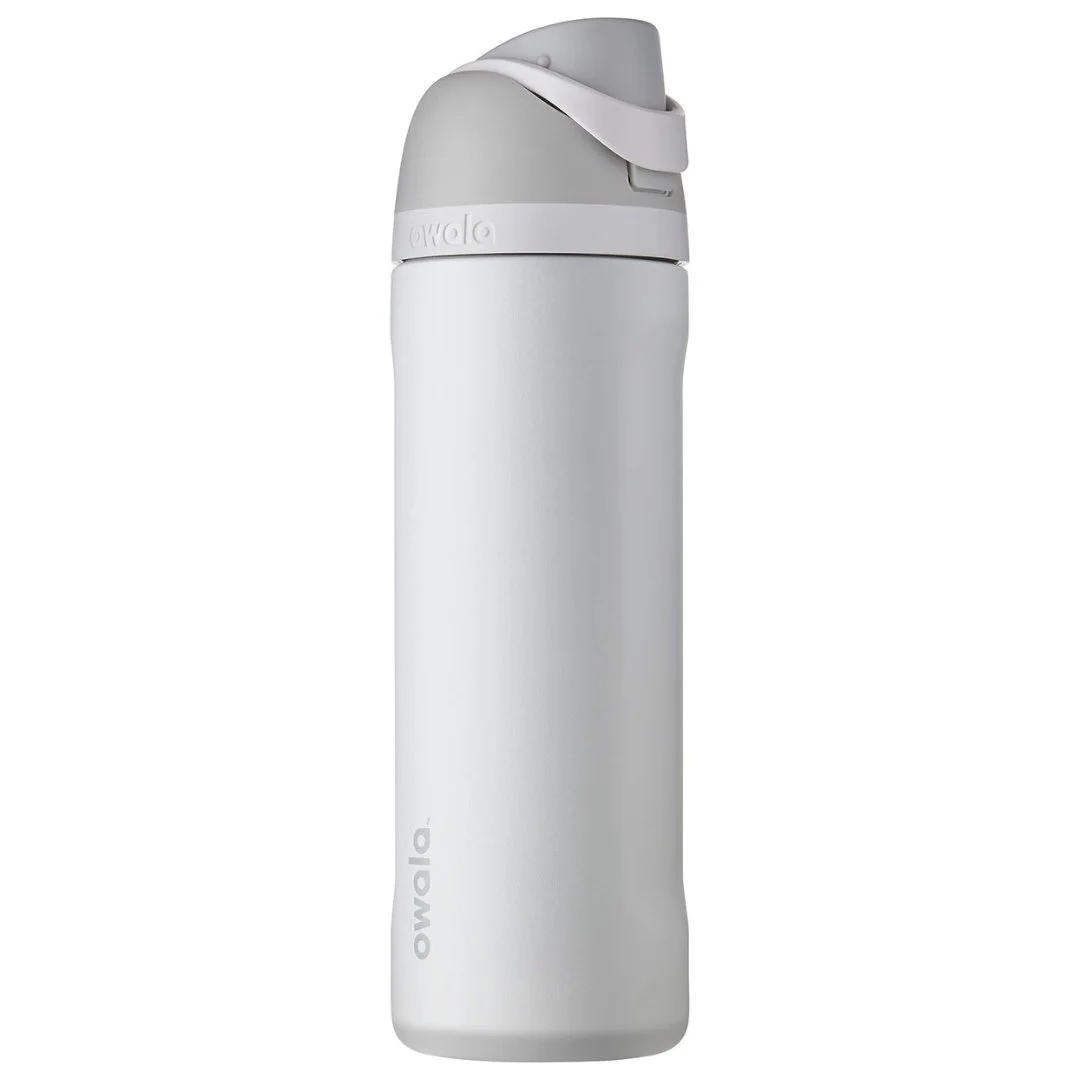
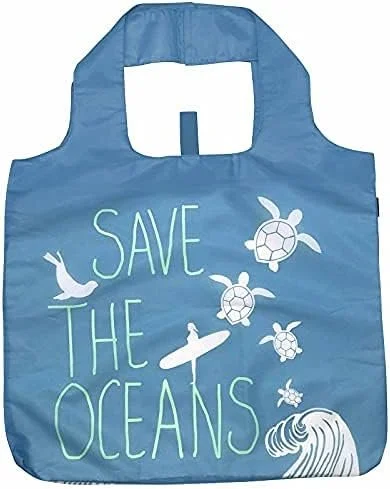
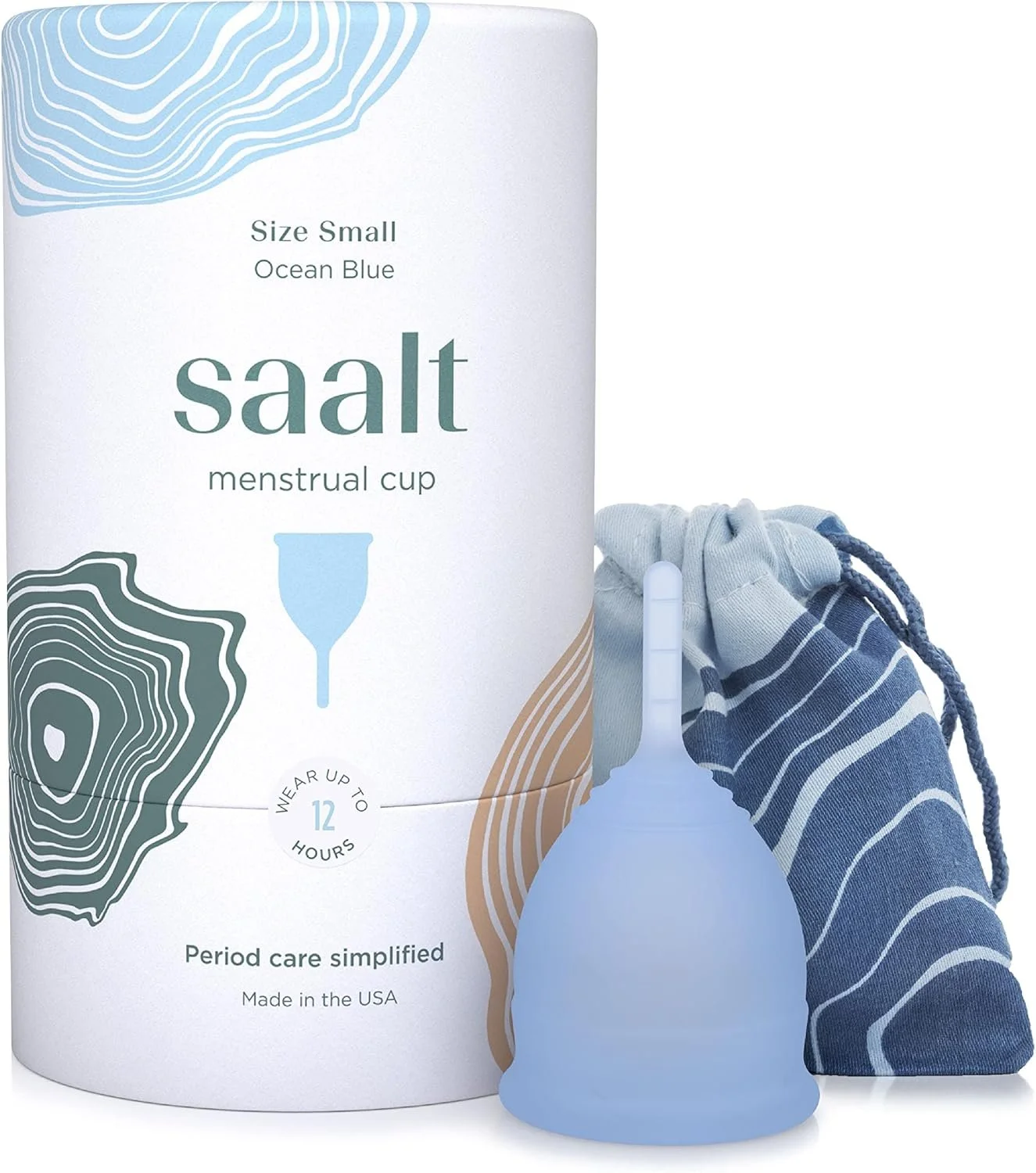
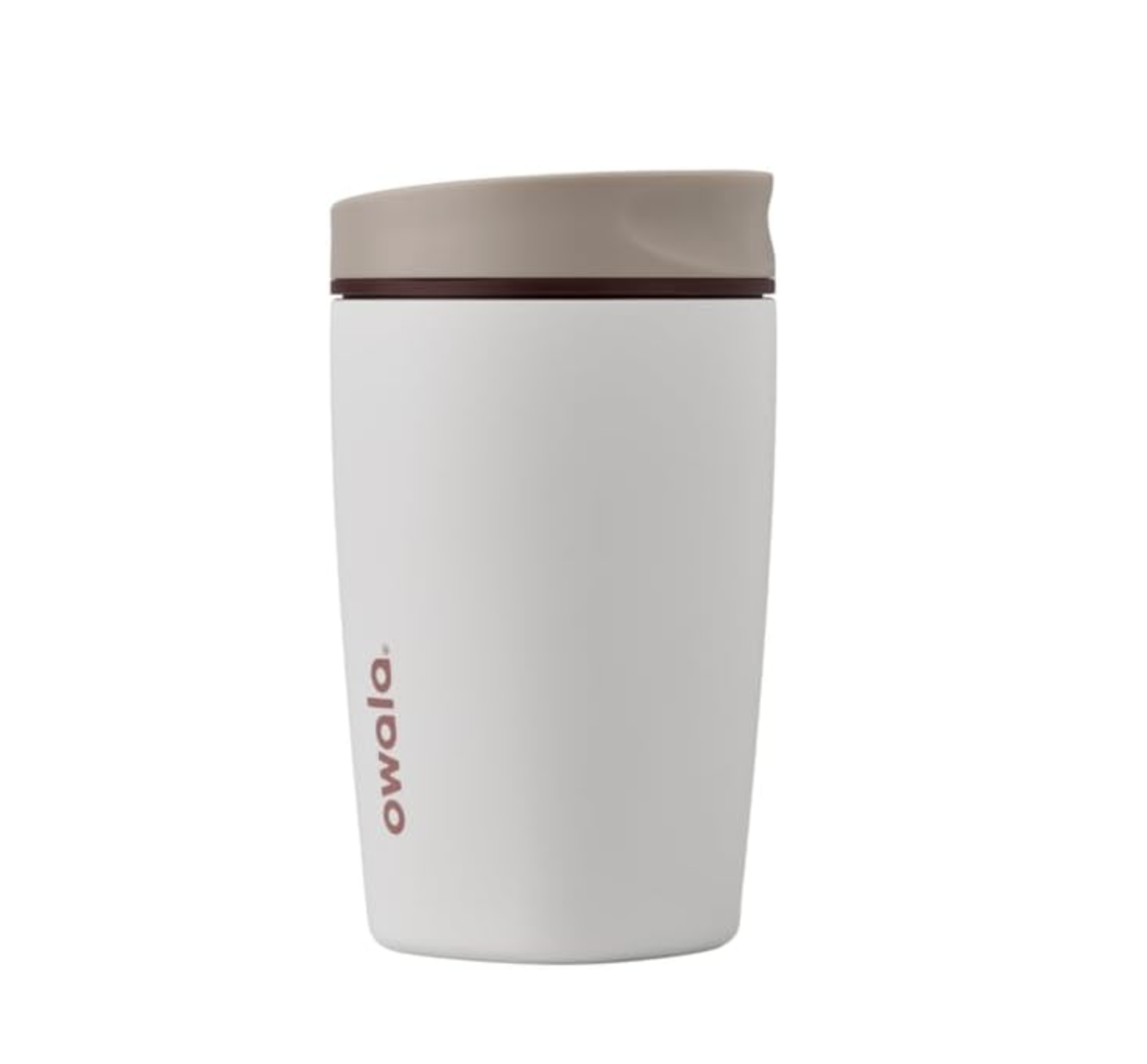
From sustainable household items to quirky sealife accessories, these tried-and-true products are sure to make you smile!



Not sure when to specialize in marine biology or marine science? This helpful guide breaks down when to stay broad, when to specialize, and how to make strategic academic decisions that protect your future career options as a scientist.