

Reality Check! What No One Tells You About A Career in Marine Science
Published on 12/30/25
The marine science industry isn’t always what it seems … Before you chase your dream job, let's uncover a side of this career that rarely makes it into ocean documentaries or social media. This honest look at the industry may change how you see the path ahead and prepare you to take on the challenge!
This blog may contain affiliate links. If you make a purchase through these links, Kaimana Conservation may earn a small commission at no additional cost to you. Your support helps us continue our mission to promote ocean conservation and education. Thank you!
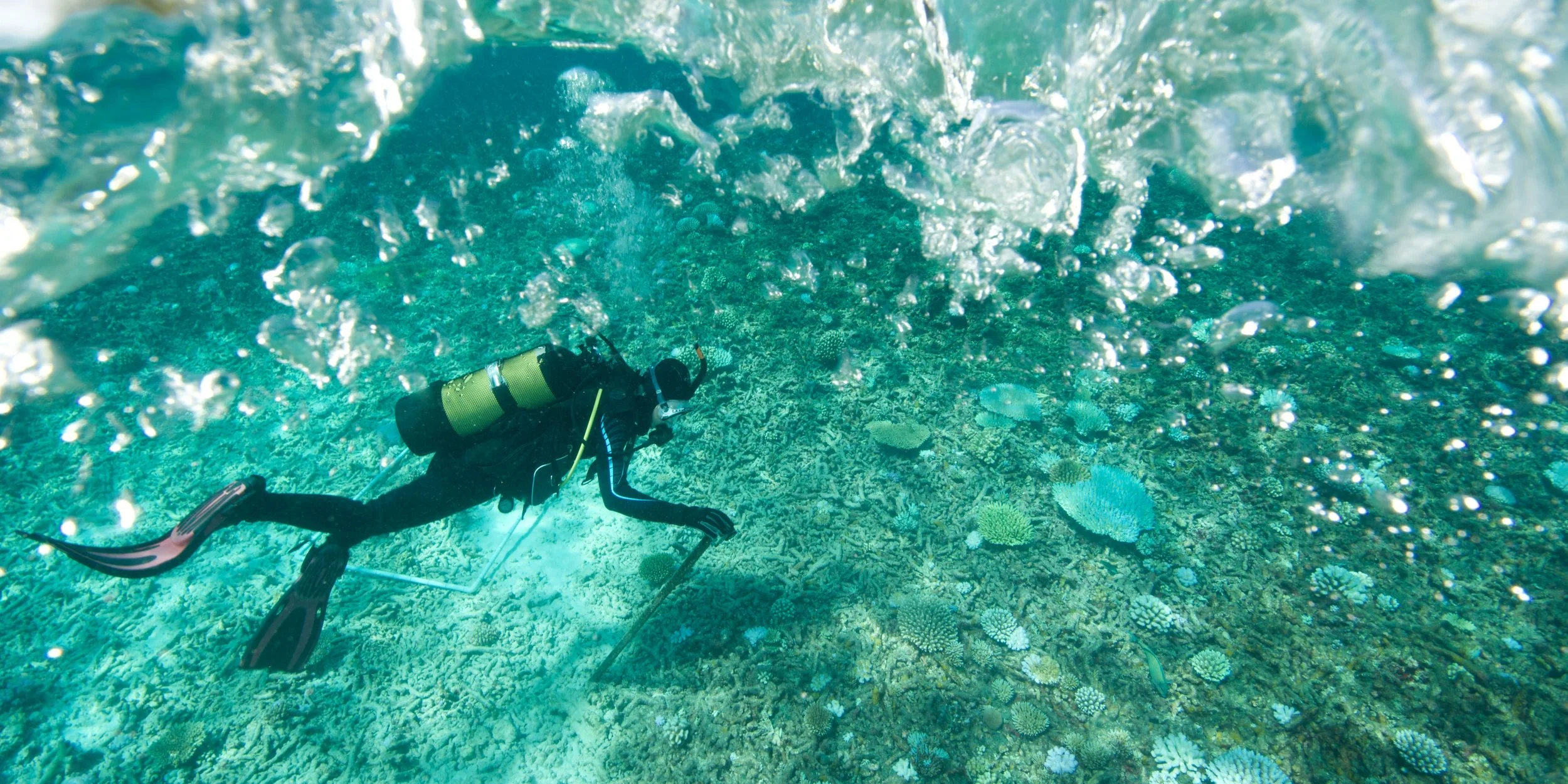
Let’s be real for a moment.
I’ve been working in the marine science industry for over 10 years, and it seems like EVERYONE I meet wants to “become a marine biologist.” Despite their overwhelming passion for the ocean, however, I rarely encounter an aspiring scientist who understands the complete picture of the profession.
Instead, their expectations are rooted in the inaccurate portrayal of an industry professional by Hollywood or social media. “Shark Week” amps up the adrenaline with punchy music and close-up footage of adventurers tagging toothy sharks. Daily Instagram stories portray elegant freedivers gliding alongside whales like underwater ballet dancers. Even documentary-style TV programs depict tenured marine researchers regularly jetting off to tropical islands for months-long expeditions aboard top-of-the-line vessels using the latest equipment and technology. They collect data on remote corners of the planet (the fun part for an audience), which seems to magically turn into results without long hours of analysis, peer-review and publication. Then … voila! … all done. UM … WHAT??
Although I was largely raised in the days before the barrage of lifestyle content on social media, I was still motivated to pursue this career based on my distorted expectations built by National Geographic, Discovery Channel and BBC. And while some of that content may be true—especially when backed by media funding—it definitely doesn’t tell the whole story: the story I’ve come to know firsthand as a professional marine scientist with over a decade of experience.
If I could go back in time, I would do it all again, I swear! But there are some things I wish I knew before diving in. Behind the filtered photos and feel-good captions is an industry far more complex than the fantasy. The reality is that this industry can be underpaid, overcompetitive, emotionally and physically exhausting, and heavily gatekept. And unless you come from financial privilege or know exactly how to navigate it, you're likely to hit some unexpected speed bumps along the way.
Fyi … This article isn’t here to crush your dreams.
Before you go any further, DO NOT PANIC!!!
The goal of this article is NOT to dissuade you from this career path by complaining about how hard it is. Instead, my goal is reiterate how incredibly rewarding a career with the ocean is … and to give you a “reality check” to set the stage for an honest discussion—so that you can make thoughtful, empowered choices about your future in marine science. Not to discourage you, but to prepare you. Because if you're going to dedicate your life to protecting the ocean, you deserve the full picture!
Great, now that we have that settled … LET’S DIVE IN!

Academic Inflation
What seems like forever ago, I graduated with a Bachelor of Science and a pair of rose-colored glasses. I immediately dove into field-based internships & temporary jobs to ramp up my resume’s experience section. But after a few years of entry-level roles, I realized I'd never be able to pursue stable positions with a competitive wage if I didn't earn a graduate degree. So back to university I went - for a 2nd degree in marine science. Even now, as I’m writing this, I’m contemplating a PhD to enhance my employability. The grind never stops!
There is immense pressure to pursue higher education beyond a bachelor’s degree in marine science nowadays. Unfortunately, this is the price of a rising global population and an increasing awareness of our environmental impact. Gone are the days when a bachelors was enough to land a research job and kickstart a reliable, lifelong career. Now, a master’s degree is becoming the new baseline for entry- and mid-level marine science careers. If you want to work in government-led research or academia, a PhD with several years of post-doctoral work could be a requirement for consideration. This phenomenon is known as “academic inflation,” and it is experienced in several STEM industries.
And of course, with additional degrees comes the associated financial impact. For many of us, that means student loan debt to pay off in the form of a well-paying job we worked so hard for … talk about financial strain!
To help ease some of this pressure, it’s important to be strategic about your academic path. One of the most effective ways to protect yourself from academic inflation is to avoid specializing too early. Keeping your degree broad in the beginning allows you to explore more career options—and pivot as needed—before locking yourself into a niche with limited job availability. I explore this more in When Should I Specialize?, an article designed to help students time their focus for maximum opportunity. You can also boost your job prospects by choosing areas of study that are in high demand but less saturated than traditional marine biology—such as GIS, remote sensing, statistics, or environmental data science. Finally, always research the types of jobs you hope to pursue before committing to a degree. Look at REAL job listings, note the required qualifications, pay ranges, and how frequently these positions are posted. This can help you make intentional, informed decisions about what’s actually worth the academic investment.
Additional Training & Certificates
In an attempt to differentiate ourselves from the intense competition, applicants have turned to additional training and certifications to supplement our academic background. These certifications can range from practical skills like boat handling & scuba diving to research methodology like ArcGIS Mapping or data analysis. BUT … in an unfortunate turn, these new skills often become prioritized or “preferred” by hiring organizations - creating an endless cycle of ever-increasing expectations that are unavoidable in a competitive job market.
The kicker? Many of these credentials are expensive and often self-funded. I once met a highly-qualified candidate who had an experiential internship, 3 seasonal roles in the field, two degrees (BS & MS), and a PADI Divemaster certification under her belt—all paid for out-of-pocket—and she still wasn’t hired. Why? “We found someone more qualified.” YIKES!
The list of additional training and certificates opportunities is HUGE and luckily most hiring managers value multi-faceted applicants. The good news is, this is STILL where a candidate can still really stand out. Check out 25 Certifications to Boost Your Resume for ideas based on your career path!
Intense Career Competition
There is more interest than ever before for a career with the ocean! However, with limited paid positions available and so many passionate people entering the job market each year, competition is fierce. It’s not uncommon for a single job posting to receive hundreds of applicants. Vacant positions within internationally recognized organizations can even reach thousands!
In response to overwhelming numbers, employers are turning to AI screening software to sift through resumes—not for the best candidate, but for the most keyword-optimized one. If you've been in the industry for any length of time, then this experience is likely familiar: “I have applied for dozens of positions that perfectly fit my candidacy, yet I never landed an interview. My application didn’t make it past the automated AI filter. Meanwhile, others with less experience but more keyword-rich resumes got callbacks.”
Unfortunately, this isn't a reflection of individual qualifications, but strategic writing skills that emphasize quantity. A well-written resume and cover letter can make ALL the difference—especially in a field where hundreds of applicants may have similar qualifications on paper. Hiring managers (and applicant tracking systems) are scanning for recent, relevant experience and the ability to clearly communicate your role, impact, and skills. A strong cover letter can further introduce you in a personal, relatable, and strategic way that shows you're not just qualified, but also a great fit for the team and company culture. If you are struggling to land the interview, check out my article on Crafting the Perfect Resume & Cover Letter to Land Your Dream Job in Marine Science!
It’s disheartening, I know. I empathize because I’ve been there. Especially when you’ve worked so hard, studied for years, volunteered endlessly, only to be told you're “not experienced enough.” I still feel discouraged & frustrated sometimes; both for myself and for those coming to me for advice. This overwhelm can take a serious emotional toll (we dive into this more later).
But as the author of this article, I also have to recognize the bias of my own experience. I HAVE experience under my belt, but what about those who don’t? If a professional with 10+ years of experience (me) is struggling to vie for a single position amongst a sea of applicants, what about those just entering the field who don’t have relevant experience yet? It can be extremely difficult to stand out compared to those with years of academic or field experience. Sadly, it’s a vicious cycle: You need experience to get a job, but you need a job to get experience. By the way, if this sounds like you, check out my article Navigating the Experience Required Paradox to learn more and break the cycle!
If career competition has got you down, don’t lose hope! Although there isn’t an abundance of marine SCIENCE roles, there ARE jobs out there in adjacent, ocean-related fields that may perk your interest. Check out this article of you want to Work with the Ocean Without a Marine Science Degree!
If your heart is set on a marine science career-path, however, you can also boost your chances by seeking advice from mentors and networking with industry professionals. Check out Networking & Professional Presence in a Digital Age for more ideas.
“Fun Jobs” for Free Labor
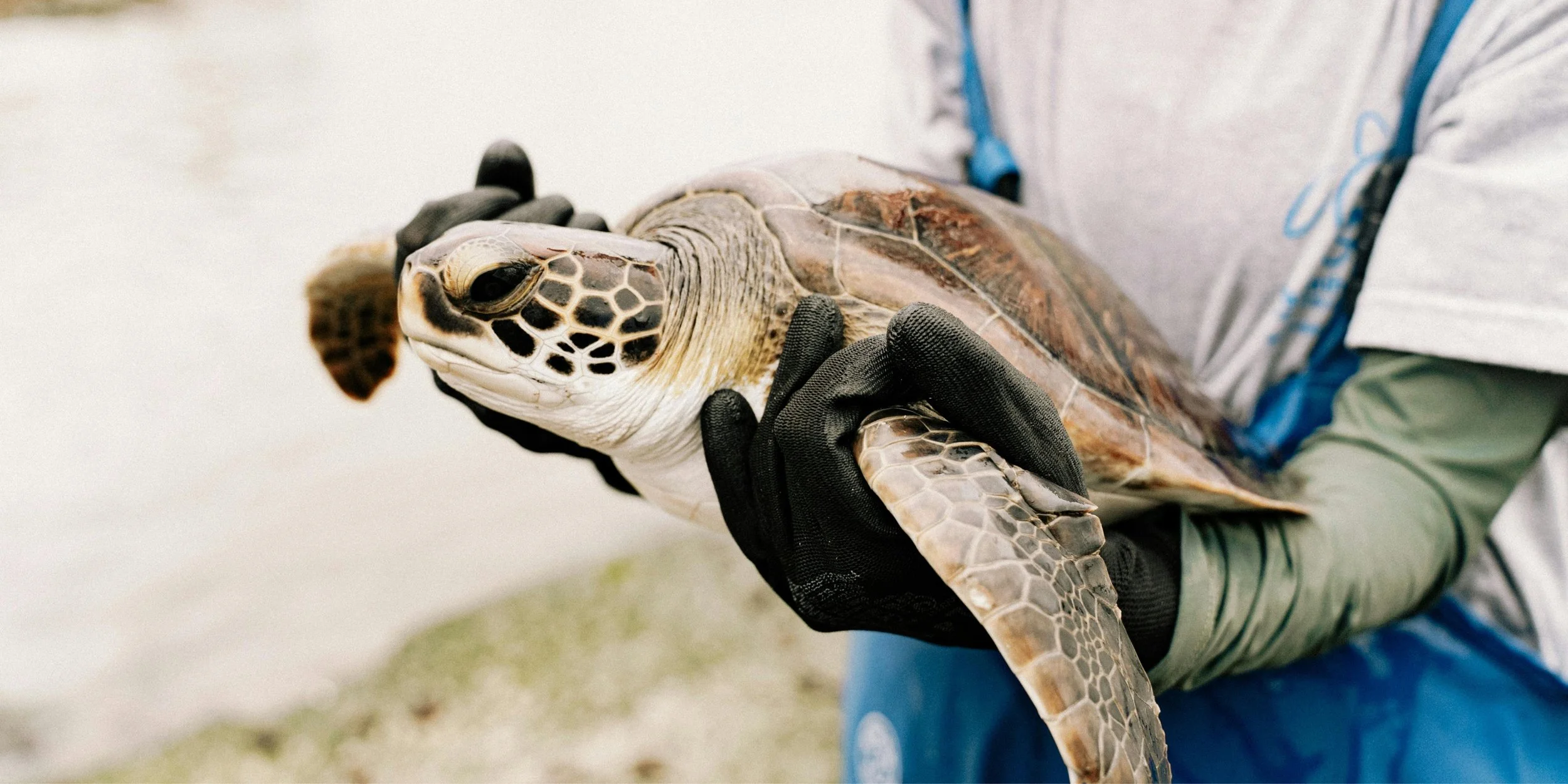
Marine science is one of the few industries where the “fun,” hands-on roles are often unpaid. Field surveys, coral restoration, sea turtle tagging—it’s not uncommon for organizations to rely on unpaid interns or volunteer labor to support their more exciting initiatives. More specialized tasks that are “un-fun” fall to a few paid employees, including supervising, training and managing the free labor.
Some non-profits or conservation organizations have even developed voluntourism (volunteer-tourism) opportunities and charge participants a fee to join. Although the circumstances surrounding their financial decisions may be understandable (unfortunately, conservation is not a money-making enterprise, the money must come from somewhere), this creates a system where only those with financial privilege can access critical experience-building opportunities. A well-known conservation group, for instance, offers a four-week field program for $3,000+ (not including flights) targeting collegiate interns, gap year students and entry-level aspiring biologists seeking hands-on experience. It’s a resume booster for sure, and participants benefit greatly - but it’s unaffordable for many students. Meanwhile, the host organization gets free labor to support their conservation efforts, the participation fees pay their overhead, and paid staff roles remain limited.
When entire conservation programs are built on unpaid work, it perpetuates inequality for passionate individuals from historically disadvantaged or marginalized communities and creates barriers to entry for those without generational wealth. Sadly, this has earned marine science the stereotype of being a “rich person’s game.” (Psst! Check out this article on Breaking Barriers: Overcoming Accessibility Gaps in Ocean-Related Careers). Exploitation of passion can also lead to early career burnout and even departure from the industry altogether.
TO CLARIFY: I am NOT saying that volunteering or internships are bad— it’s how many of us get started and can be an essential part of the learning process! One of my first professional roles was “donated” labor in exchange for room & board, which was exciting, educational and perfectly feasible early in my career. I have also worked for several organizations that were supported by its incredible volunteer base - like we literally couldn’t have done it without them. But it’s important to acknowledge the limitations surrounding unpaid labor culture and the sacrifices involved for the paid employee.
The Passion Tax
The term “passion tax” refers to a frustrating but common reality: when people are SO passionate about their work that they’re expected and willing to accept lower pay, fewer benefits, or poor working conditions as part of the deal. It’s especially prevalent in fields like biological and environmental sciences, where dedication to a cause can easily be exploited. Despite the years of education, specialized training, and physically demanding work, many marine scientists earn salaries that don’t reflect the value or complexity of their contributions. Passion for the ocean can carry you far—but it shouldn’t be the only thing keeping your career afloat!
The following sections are all examples of the infamous passion tax:
LIVING THE LIFESTYLE
Affording Life in Coastal Cities
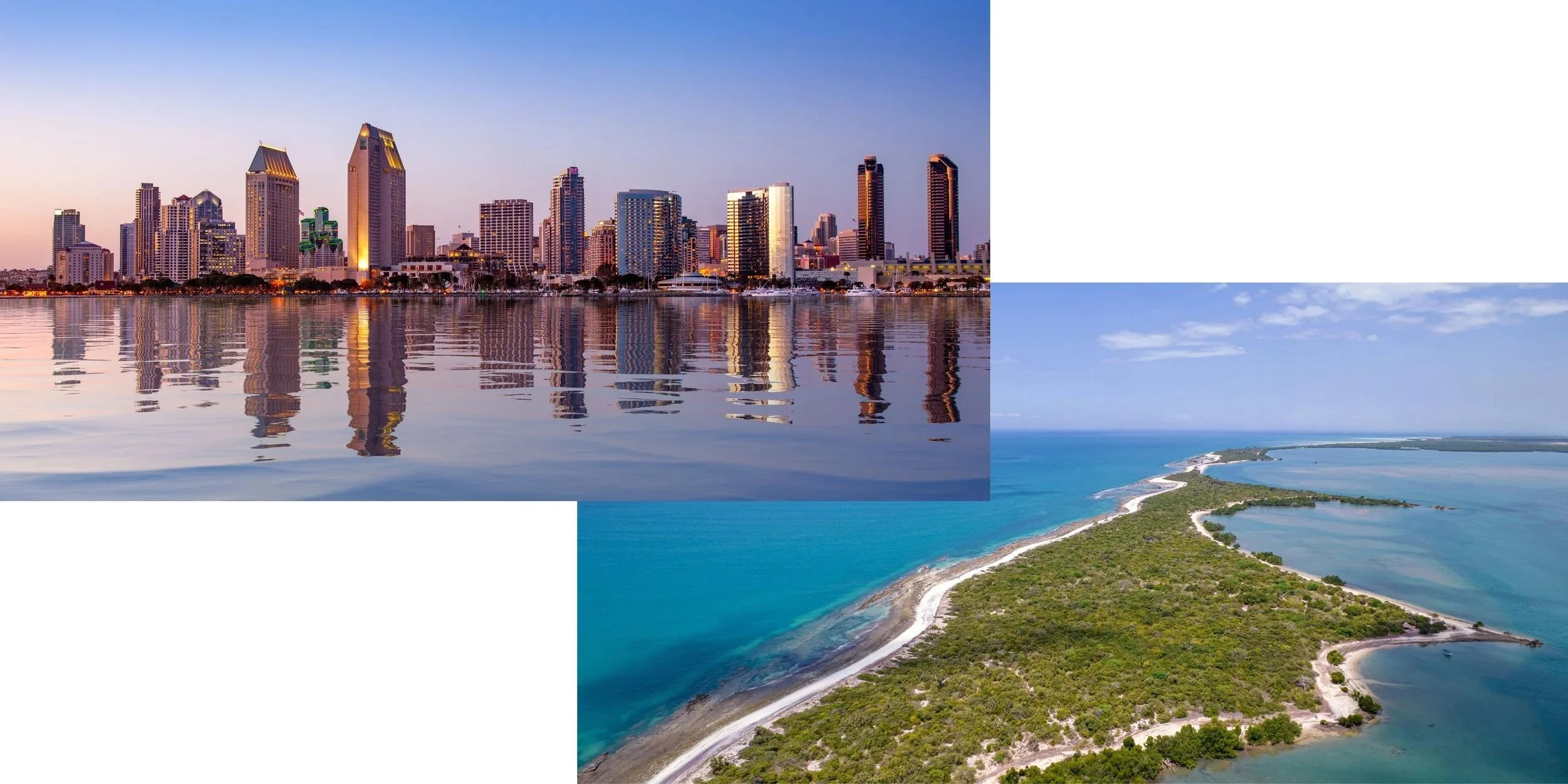
Many marine science jobs are clustered along coastlines and major port cities—San Diego, Oahu, Seattle, Boston, Sydney, …, etc. These places are beautiful, yes, but they are also some of the most expensive places to live! Rent can easily take over half your monthly income. When you add in basic utilities, transportation, groceries (have you ever tried buying organic on a field tech salary??), suddenly your paycheck disappears! High cost of living might also mean you have no savings left over to pay off student loan debt or contribute to future stability like affording a family or buying a home. This is the MAIN reason my partner and I made the extremely difficult decision to leave Maui, our home for over 8 years, and relocate to the US mainland. It’s astronomically expensive to live in “paradise!”
(P.S. - “paradise” is irrelevant if you can’t afford to enjoy it!)
And honestly? Sometimes your salary simply doesn’t cover your living expenses. Rent, groceries, student loans, health insurance, and emergencies all fall outside the scope of most research-funding-grants and wages rarely measure up to our value. As a result, many marine scientists quietly work multiple jobs—teaching extra courses, freelancing, guiding tours, or taking on seasonal work—just to stay afloat and work a job they are passionate about.
Living in Remote Areas
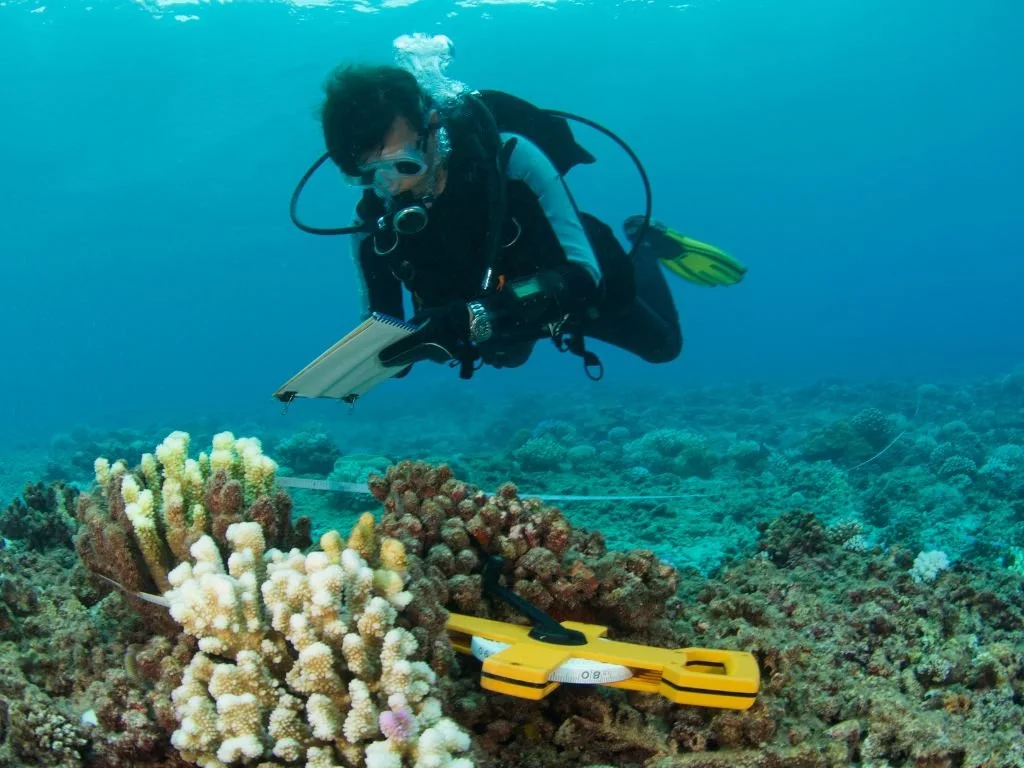
On the flip side, many marine survey sites and field stations are located in extremely isolated areas—rugged coastlines, remote islands, uninhabited atolls—far from urban life. In places where rentable housing and grocery stores simply don’t exist, you might be offered housing and meals in exchange for your work instead of the standard paycheck. Sounds dreamy, right? Sometimes it is! But you have to know what “room and board” REALLY means before signing your name on the dotted line.
I’ve worked at three different field stations that used the “room and board” model to staff their teams. I have incredibly fond memories of those early-career years … living and working alongside passionate people who inspired me daily and shaped me into the scientist I am today.
But field work is no vacation! One of the stations I worked at housed 25 staff in a shared house with basically no privacy and communal bathrooms and living spaces. Bedrooms were outfitted with double bunk beds, sleeping bags on foam cots, and mosquito nets. We washed our clothes, dishes, and bodies with cold water piped from an underground cistern filled by rain. If the water ran out, we occasionally resorted to “washing” in the ocean with biodegradable soap. Our isolation meant grocery runs were few and far between (think once or twice a month), challenging us to get really creative during mealtimes. To re-supplying—food, batteries, even toothpaste—meant an hours-long trip via an open boat or a cramped, dusty car with no AC. And of course, luxuries like AC, hot water or Wi-Fi were not available apart from the infrequent trips to town. It was exciting and immersive—but NOT for the faint of heart!
Before committing, you need to take an honest look at your lifestyle preferences and personal boundaries. If you go in with unclear expectations, the result could range from surprise and discomfort to disaster. I’ll never forget a former colleague who showed up for her first day on a field job expecting hotel-like accommodations and was shocked to find herself sleeping on rickety bunk beds, sharing in cooking responsibilities and using the outhouse. Saying she was overwhelmed is an understatement and she struggled with basic daily tasks in the remote jungle. It impacted her work and her relationship with her colleagues. Needless to say, she didn’t last long!
Remote living is not just a struggle for those who don’t anticipate the lifestyle though. I’ve had challenges of my own, even though I knew EXACTLY what I signed up for. While living on a small island in Fiji, I broke my thumb while prepping dive equipment for my PADI scuba instructor certification. Sufficient health care was not accessible in our region, so I made desperate attempts to set the finger using tape and popsicle sticks. I passed the test despite the injury, but lack of treatment only delayed my recovery. Eventually, I had to return home to get it properly set and wore a cast for nearly 4 months, followed by 6 months in a brace. I’ve also had my fair share of parasitic infections; something you definitely don’t have worry about in an office job! I’ve taken Ivermectin (yes, like what you give your pet) for subcutaneous worms after performing snorkel surveys on mosquitofish in a stagnant inland lagoon in the Bahamas. Of course I’m not saying any of this will happen to YOU, but its still within the realm of possibility … and its best to be prepared!
If you want the complete deep dive into what life is like as a field researcher, check out my article What it’s REALLY Like to Work at a Remote Field Station!
Side Tangent: “Room & board” positions can also blur the line between paid work and volunteering. While these “learning opportunities” can be incredibly rewarding and formative for young professionals, they’re often NOT financially sustainable nor suitable as a long-term career option. You might work 10-12 hours a day collecting data, overseeing the station facilities, maintaining equipment, cooking meals, and mentoring interns—all without earning a single dollar. It’s part of the “passion tax” many early-career professionals pay and can cause burnout if left unchecked for too long.

wage vs. Research Funding
If you’re lucky enough to land a permanent role in academia, research, or with a reputable nonprofit, you might assume you’ve finally “made it.” You have a job title, a contract, and a salary (or reliable hourly work, depending on the role). BUT what many people don’t realize … is that your challenges may have just begun!
You now must consider how you’ll pay for everything. Your paycheck rarely covers the FULL cost of your job. In many non-profit or research-based roles, your salary is funded by the hiring organization or institution—but your research, fieldwork, equipment, travel, and community outreach expenses are not. That means a significant portion of your time is spent fundraising, writing grants, applying for scholarships, or seeking donor support just to keep your work alive. This is most common in academia, where the famous phrase “publish or perish” highlights the never-ending cycle: secure funding, produce results, publish papers, repeat. Your ability to stay employed is often tied not just to your science, but to your success as a grant writer. Does grant-writing give you anxiety? Check out my article “How to Write a Research Grant that Turns Heads and Gets Funding” for helpful tips!
Unwritten Expectations
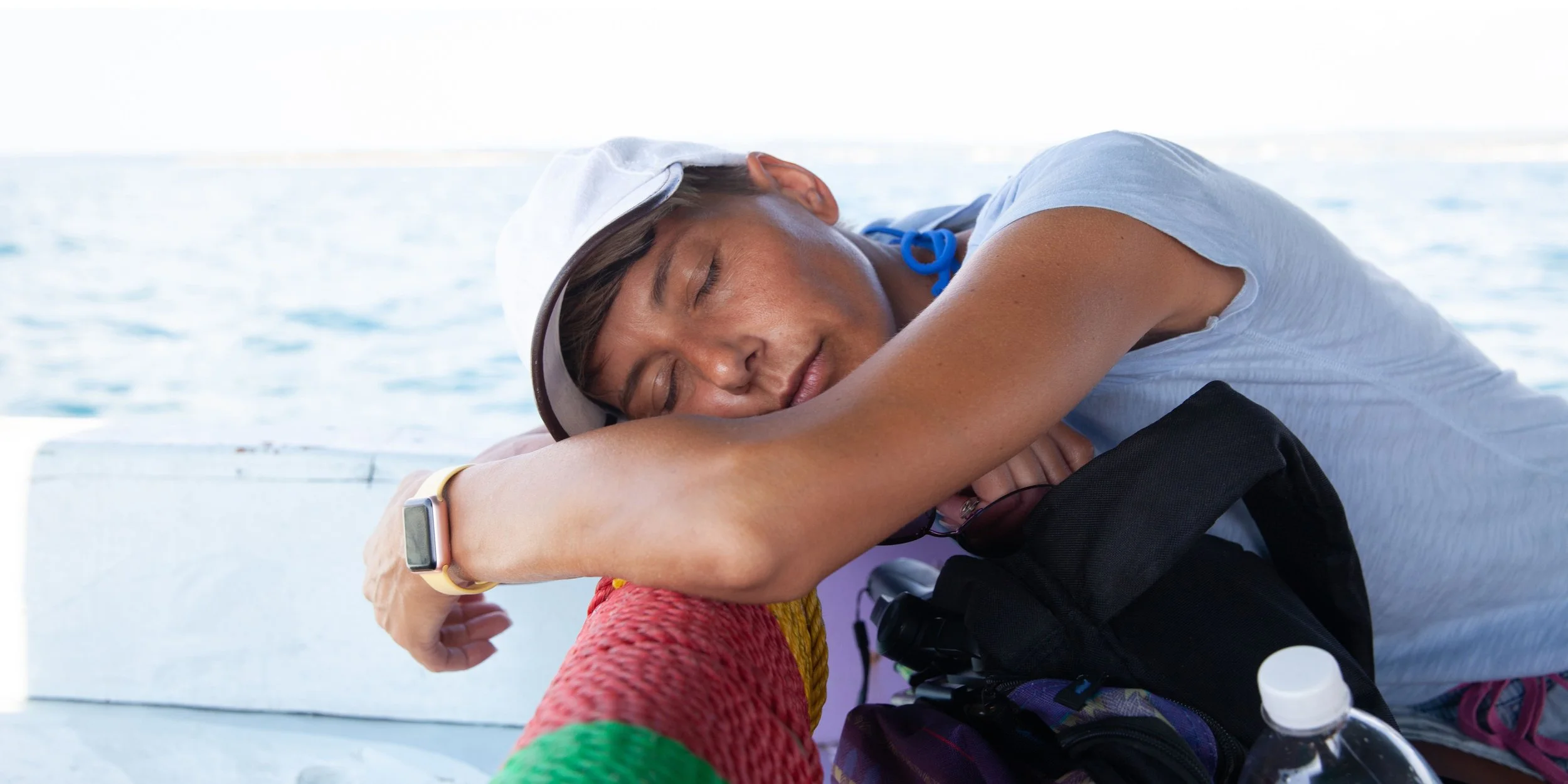
There’s an unspoken time commitment to this industry, which often extends far beyond what’s written in a job description. Marine science is rarely a neat Monday–thru–Friday, 9–to–5 career where you simply get to “clock out” at a precise time each day. Field seasons are finite and scientists work looong hours to fully utilize the opportunity. Data analysis and article writing spills into nights and weekends to meet deadlines. Travel for surveys or conferences can be frequent and unpredictable.
Even when you’re “off the clock,” the pressure to stay productive, publish, network, or secure the next funding opportunity never really turns off. This can make a work–life balance difficult. I've held a salaried managerial role that regularly took 60-80 hours of my time each week, despite my salary calculation being based on 45 hours! By the time I realized how much time I was spending at the office, I had already developed a pattern that was nearly impossible to break.
None of this means the work isn’t meaningful—it absolutely is! I adored my salaried role despite it taking more time than I anticipated. But these unwritten expectations are part of the passion tax many marine scientists pay - including myself. Understanding them early allows you to plan realistically, advocate for yourself, and decide what kind of balance you want—and need—in your career. For example, if I had kept track of my hours early on, perhaps I wouldn’t have slipped into an unrealistic workweek that became my “norm.”
Sometimes these time pressures are externally enforced (i.e. employers making you stay late or peer pressure to align with coworkers’ hours), but other times they are self-imposed (i.e. you work more to meet the unwritten expectation of being a “good” employee!). When possible, you can counteract this pressure by surrounding yourself with colleagues and peers who help you maintain a healthy work-life balance by advocating for personal time. But if your coworkers are working crazy hours, you may feel pressured to do the same. Ultimately, maintaining personal relationships, caring for pets, or supporting a family can be challenging when your career requires constant flexibility, mobility and time.

The Emotional Toll of Watching the Ocean in Decline
Even considering ALL of that, perhaps the hardest part of this career isn’t physical or logistical at all … it’s emotional.
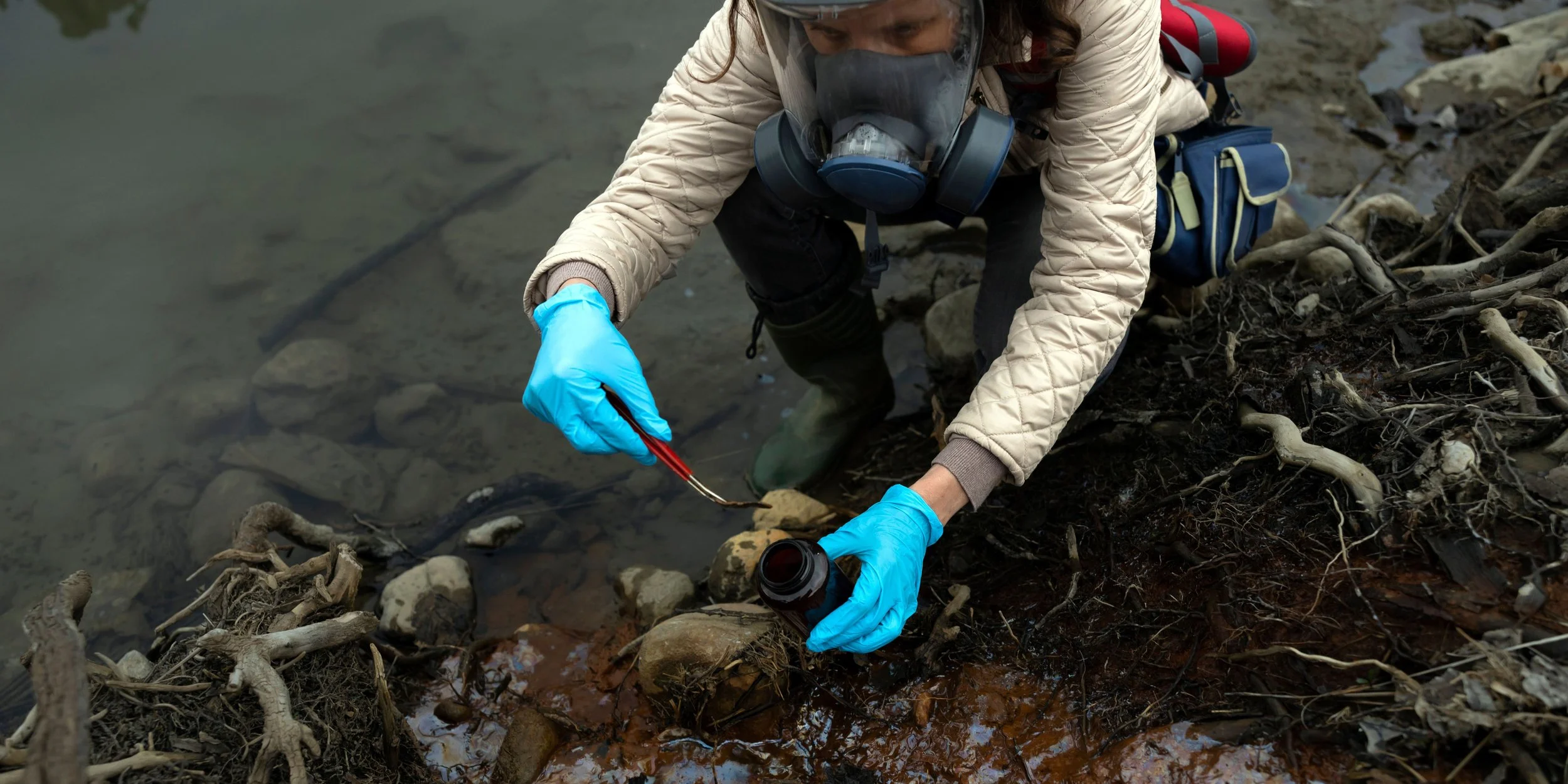
There are immeasurable emotional difficulties as a marine scientist, especially in the context of studying the destruction of a marine ecosystem or the decline of a species. As a scientist, your job is to observe, document, and report this degradation. Climate change, coral bleaching, marine debris, overfishing, oil spills, habitat loss, seaborne disease—it’s overwhelming and its everywhere. As a marine scientist, you see firsthand the devastating impacts of the Anthropocene (human activity as the dominant influence on our climate and environment), and often, there's little you can do to stop it.
You may feel helpless, angry, or overwhelmed. Burnout is real. Compassion fatigue is common.
A seasoned marine ecologist and close friend of mine had three decades of experience monitoring and photographing the tropical coral reefs of the Caribbean Sea. He confided that after all those years, he felt like he was witnessing the disappearance of our coral reefs in real time. Once-vibrant reefs full of elk- and staghorn corals have now been reduced to nothing but dead coral rubble. These once-essential branching coral species are now listed as functionally extinct and animals that depend on them have nowhere to go. His last dive was so emotionally traumatizing it resulted in an early retirement and hanging up his dive equipment for good.
I’ll be honest—there are moments when I find it incredibly hard to carry the weight of what I know. When a young, bright-eyed student asks me how to become a marine biologist, part of me hesitates. I want to cheer them on, but I also know how challenging and emotionally heavy this path can be. And when a visitor at the aquarium asks, “How are the coral reefs doing?” I have to pause and consider: Do I tell them the truth—that reefs are bleaching and dying at alarming rates? Or do I soften the blow by sugar-coating it’s severity so they don’t walk away feeling hopeless? I am constantly finding the balance between brutal honesty and unrealistic optimism. Too much of either can backfire. Hopelessness leads to apathy and comfort leads to stagnation. Both result in inaction—a dangerous result for ocean conservation.
This emotional burden can be isolating, especially if your peers or family don’t fully understand the toll it takes. If your professional responsibilities extend into educational outreach, policy advocacy or conservation action, then you may have a little more reprieve from this feeling. However, if your job doesn’t offer “actionable solutions,” I recommend trying the solution that works for me: volunteering time towards these solutions by teaching others about the ocean, advocating for environmental protection policies I support and conserving the ocean through individual action (like making sustainable choices, helping a community science project or doing a beach clean up). Contribution to a good cause counteracts the negativity I observe while in the field and motivates me to keep going.
You can also alleviate some of the stress by seeking emotional support from other industry professionals with relatable experience or a licensed mental health professional who specialize in climate anxiety, compassion fatigue and “eco-grief” (yes, it’s a real thing!). You can also check out non-profits like Climate Psychology Alliance for additional support.
So … Is It Worth It?
This blog wasn’t meant to scare you—it was meant to prepare you.
If you’re still reading this, that means that you are highly motivated to pursue a career in marine science, despite the industry’s many challenges and a clear understanding of its shortfalls. After everything I described—the low pay, the competition, the burnout—you might be wondering: is it even worth it?
Honestly? Only YOU can answer that.
Marine science is not for the faint of heart. It demands resilience, flexibility, and sacrifice. But for those who truly love the ocean—who are willing to navigate these obstacles and face the hardships despite it all—it can also be one of the most meaningful careers out there.
I encourage you to balance passion with practicality. Enter this field with your eyes open. Set realistic expectations. Find mentors. Self-advocate and take care of your mental health. Most importantly, make informed decisions by asking the hard questions.
There’s immense value in the work being done. And if you still feel called to the sea, then you’re exactly where you need to be.
Join the Conversation
If this post resonated with you—whether you're an aspiring scientist, a student, or a mid-career marine scientist—I want to hear from you!
💬 Leave a comment below sharing your own experiences, challenges, or reflections about working in marine science.
💡 Have questions? Drop them in the comments and I’ll do my best to answer or point you toward resources that can help.
🌊 Still dreaming of an ocean career? That’s awesome! Let’s chat about how to make that dream informed, resilient, and grounded in reality.








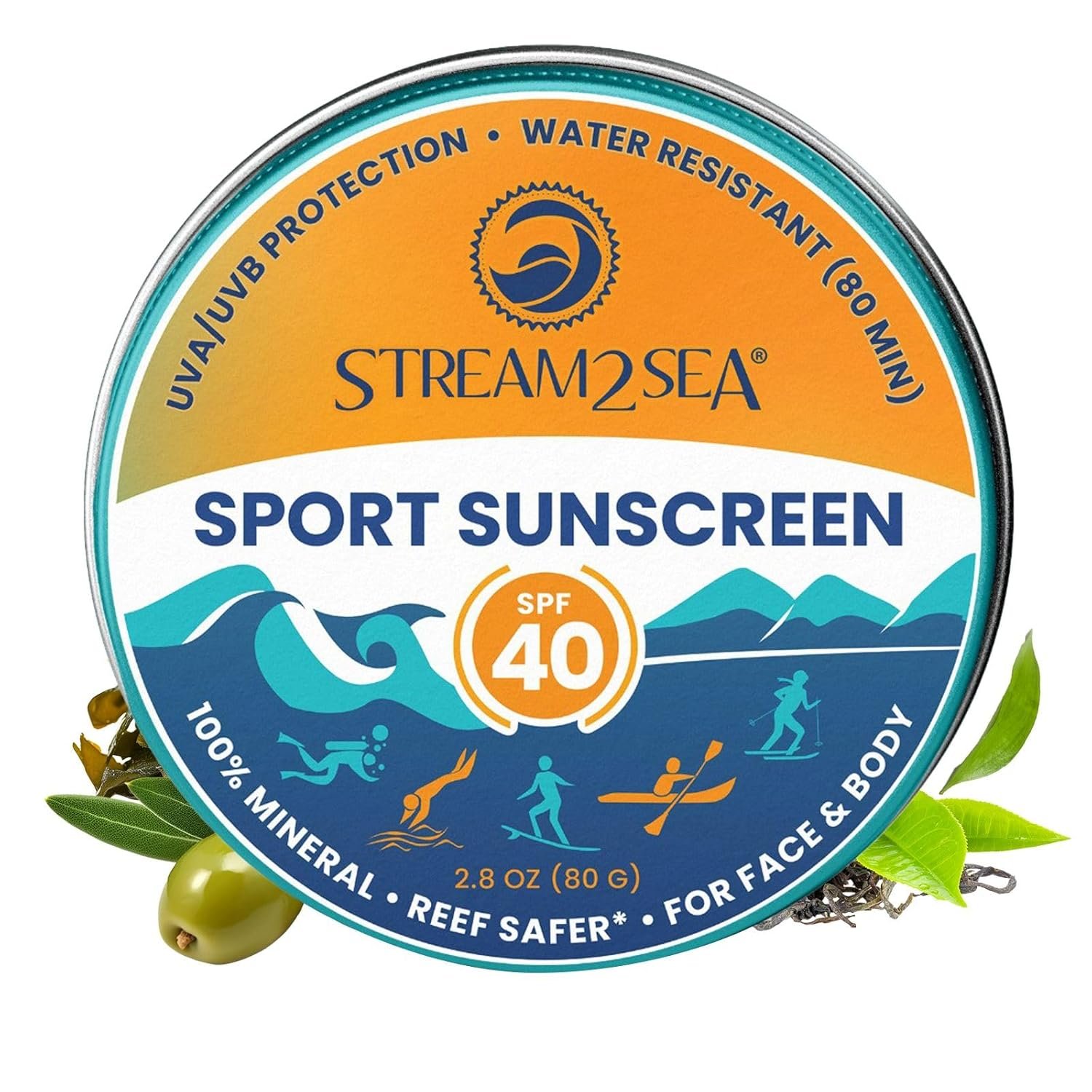
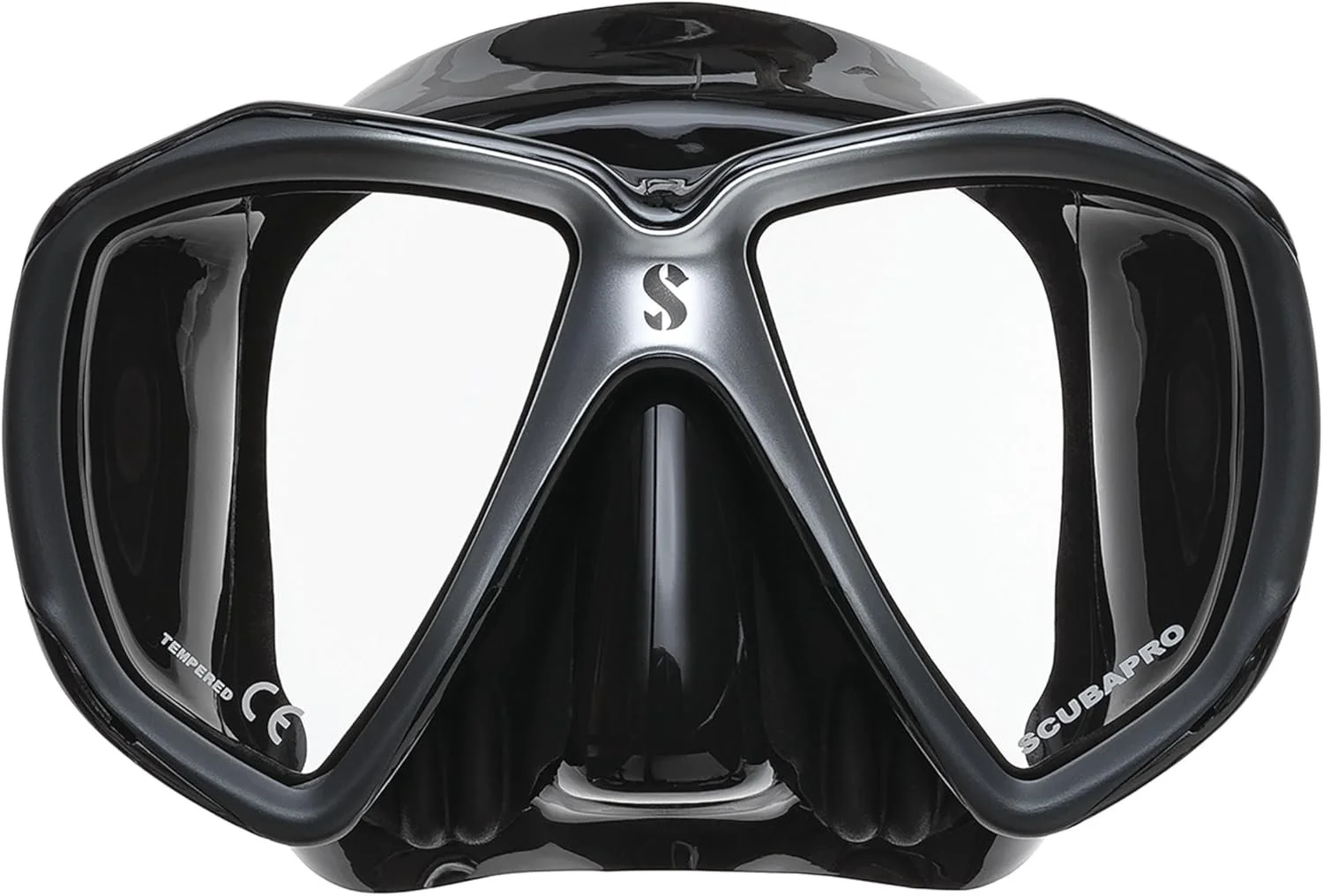
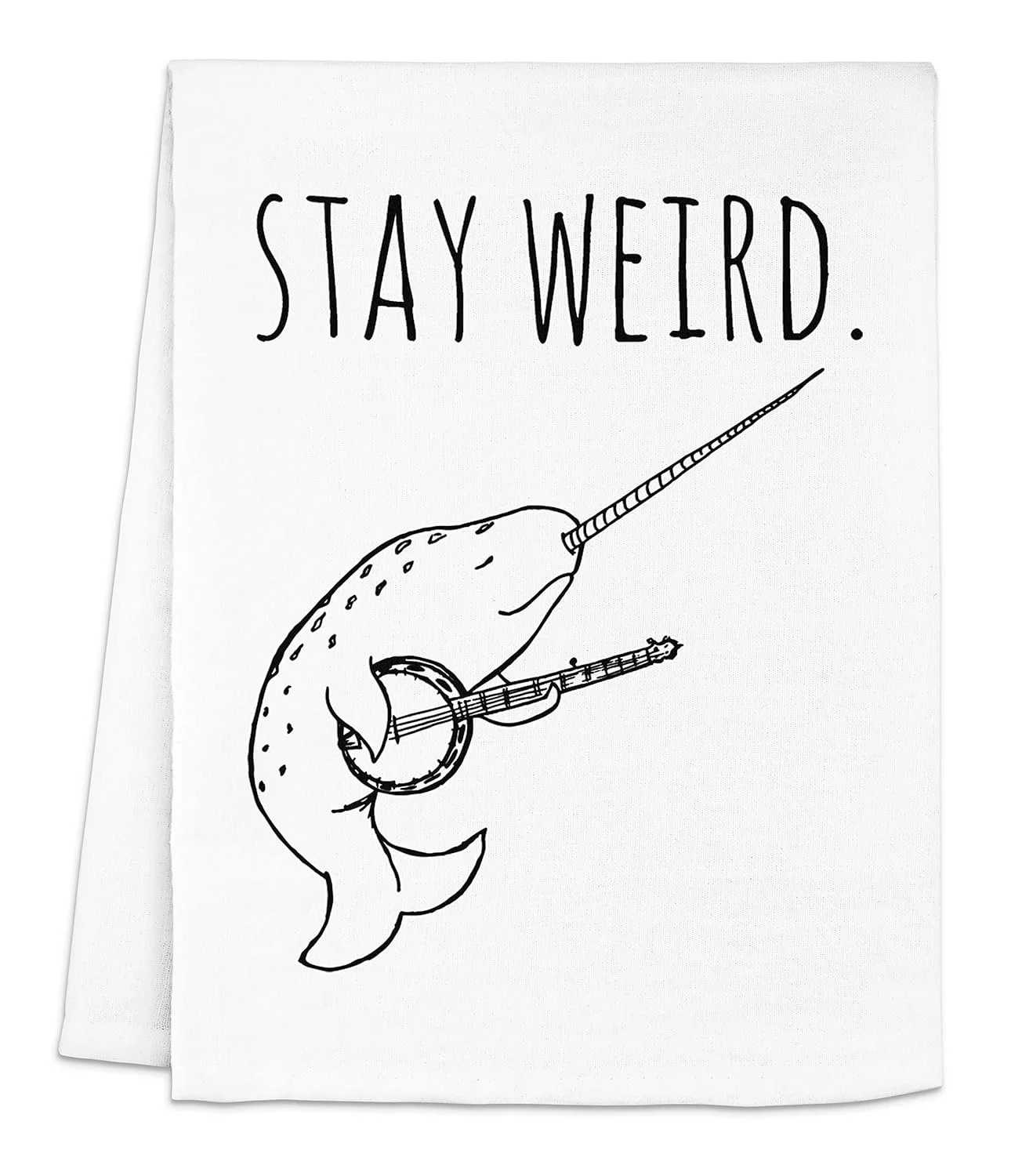
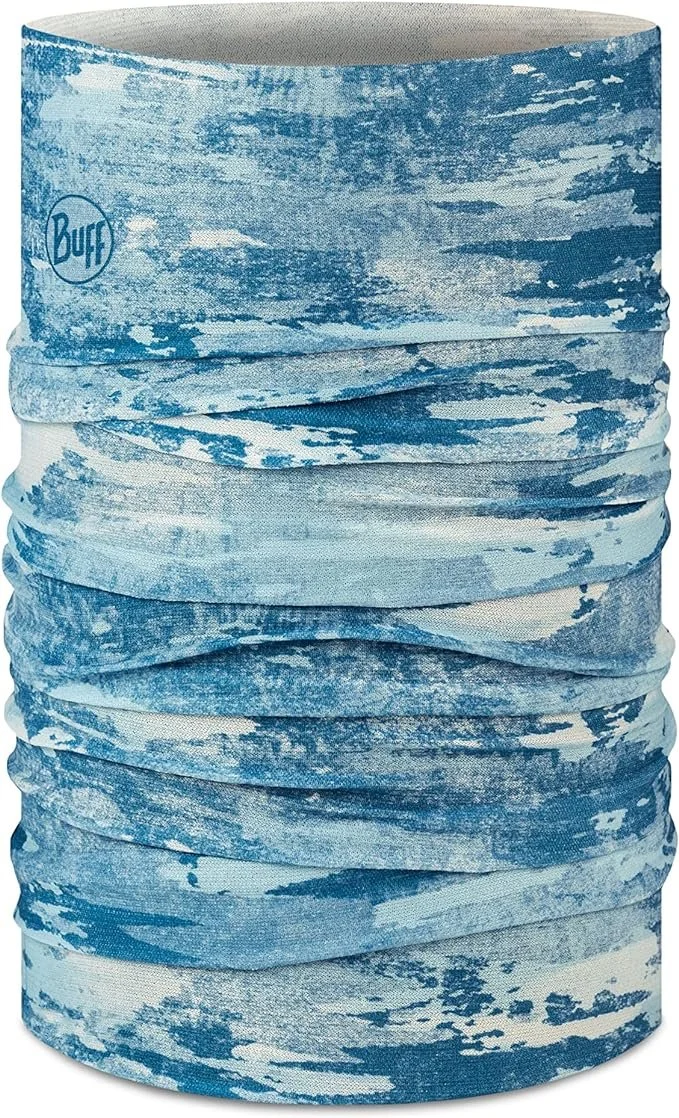
SHOP JESSICA’S FAVORITE
OCEAN-LOVER ESSENTIALS
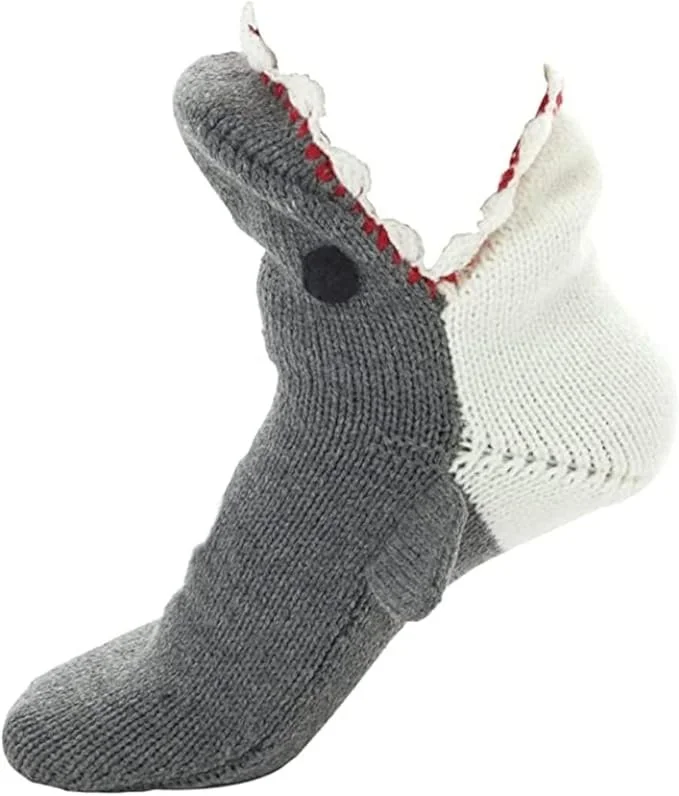
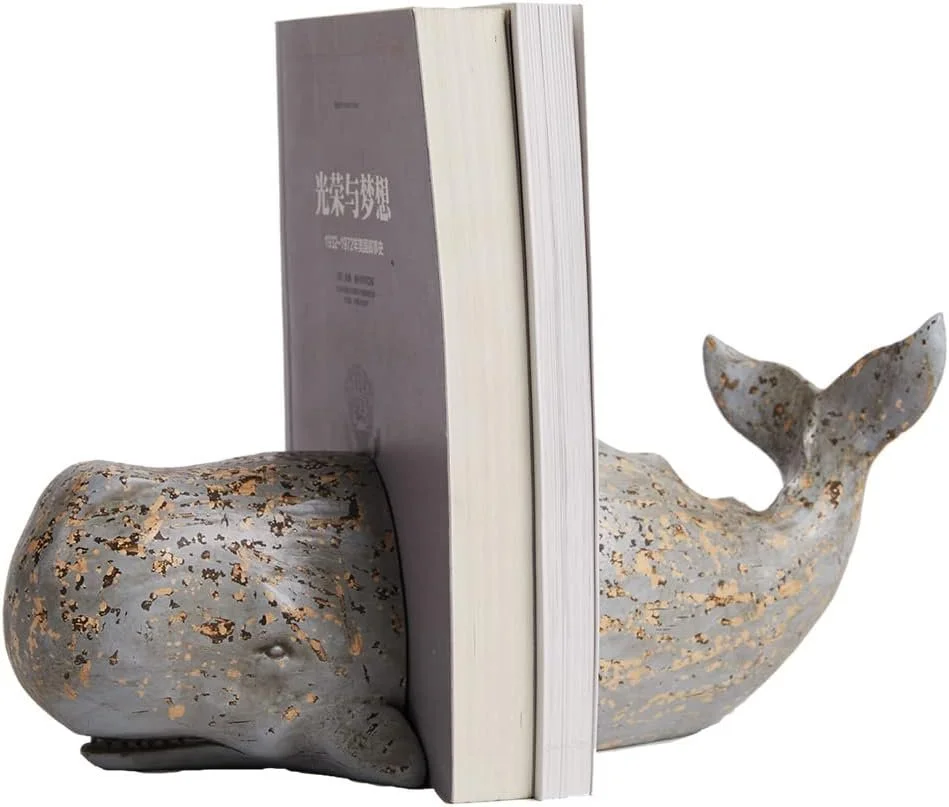
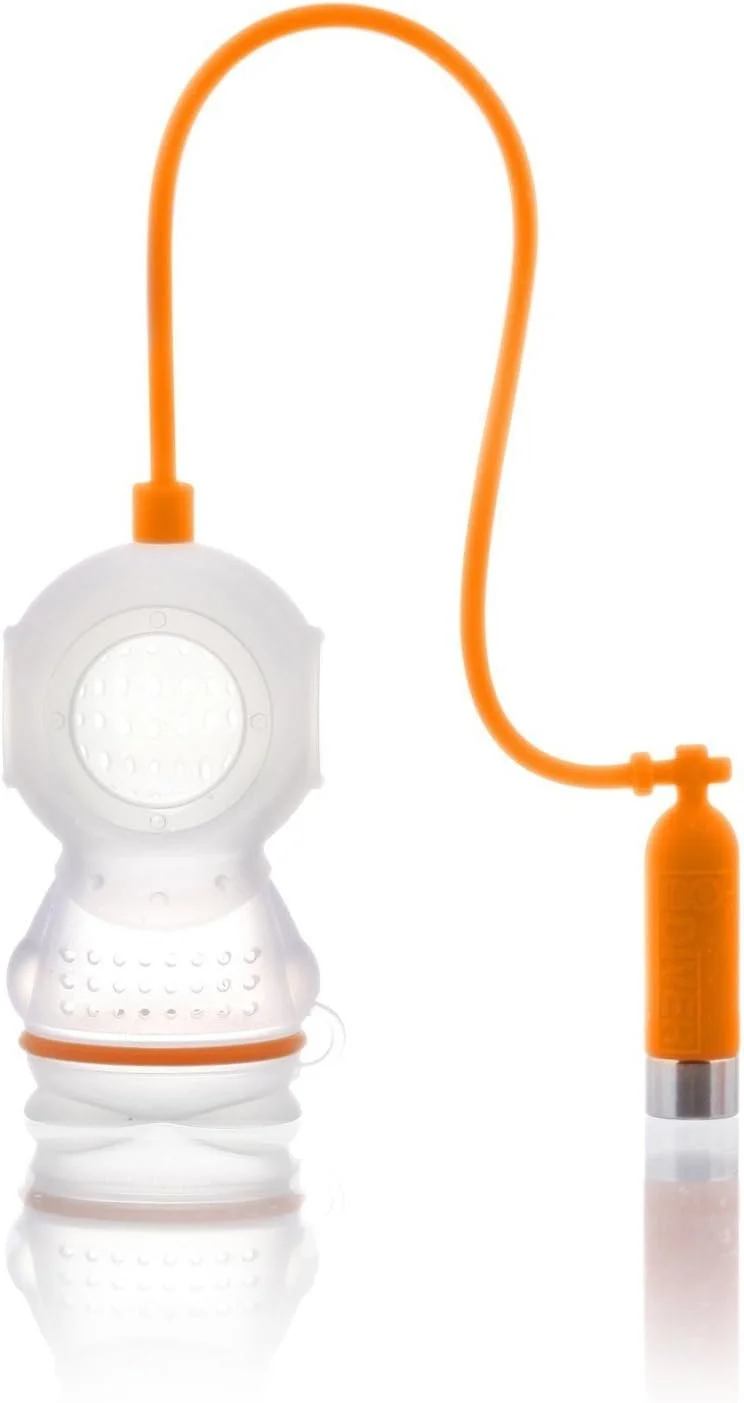
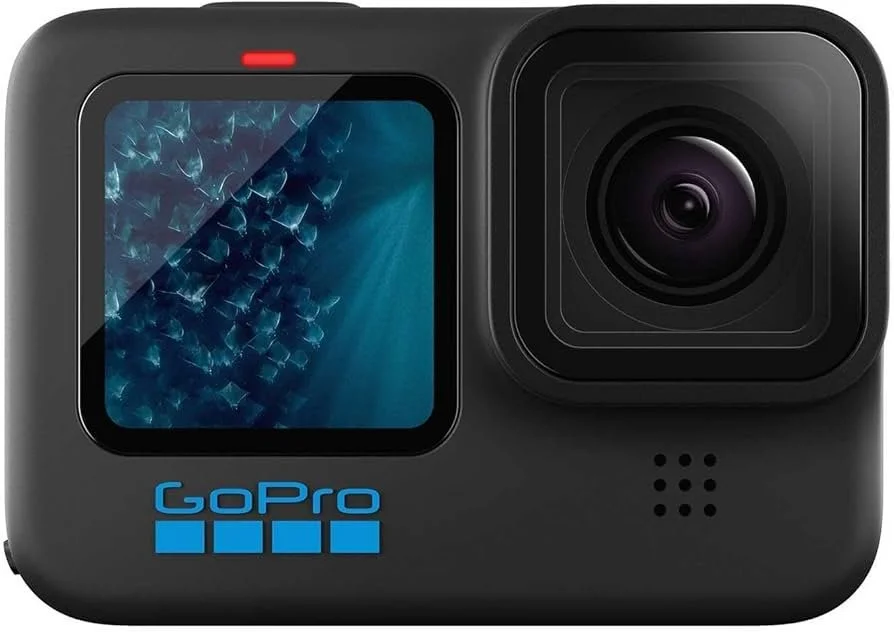
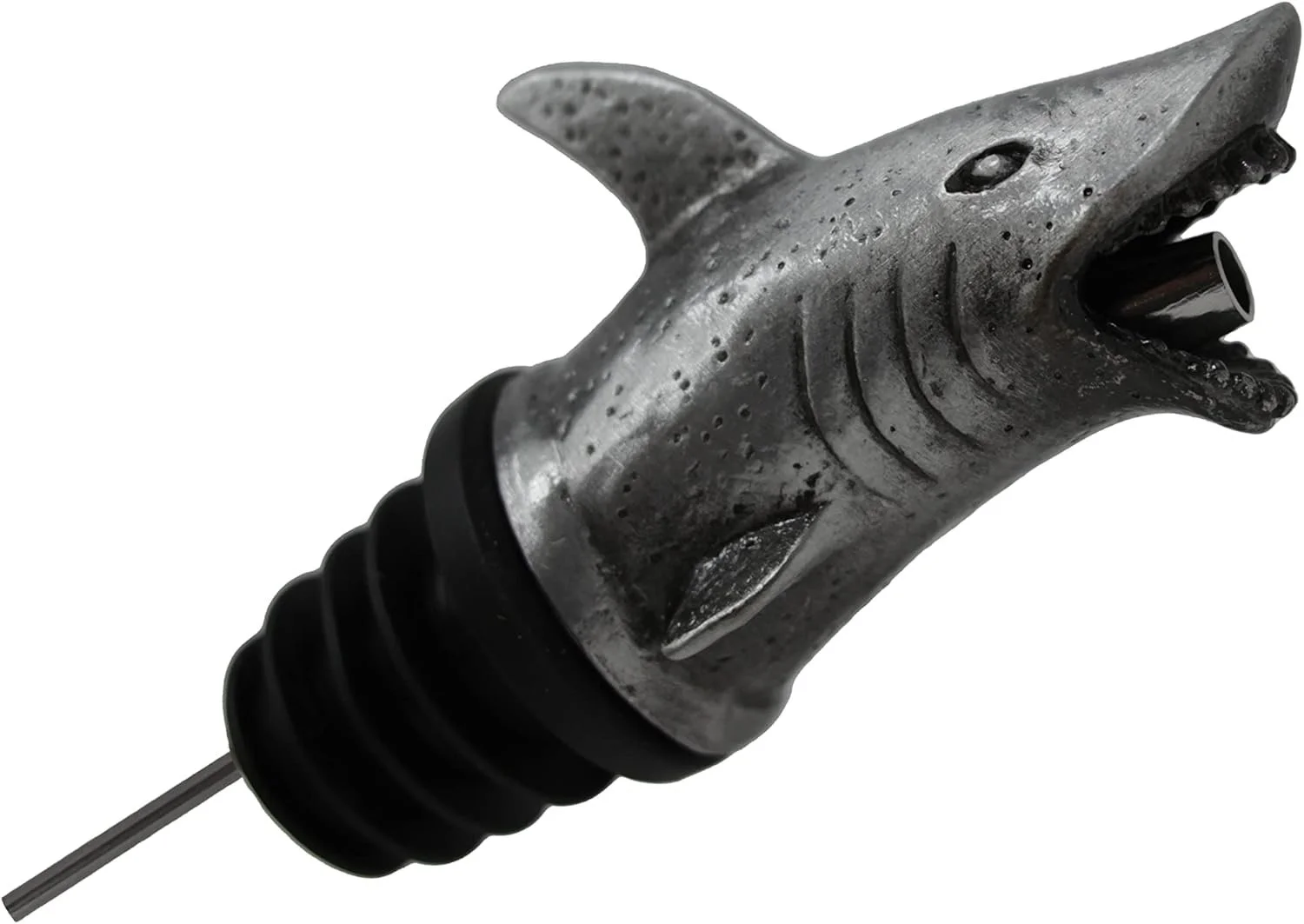
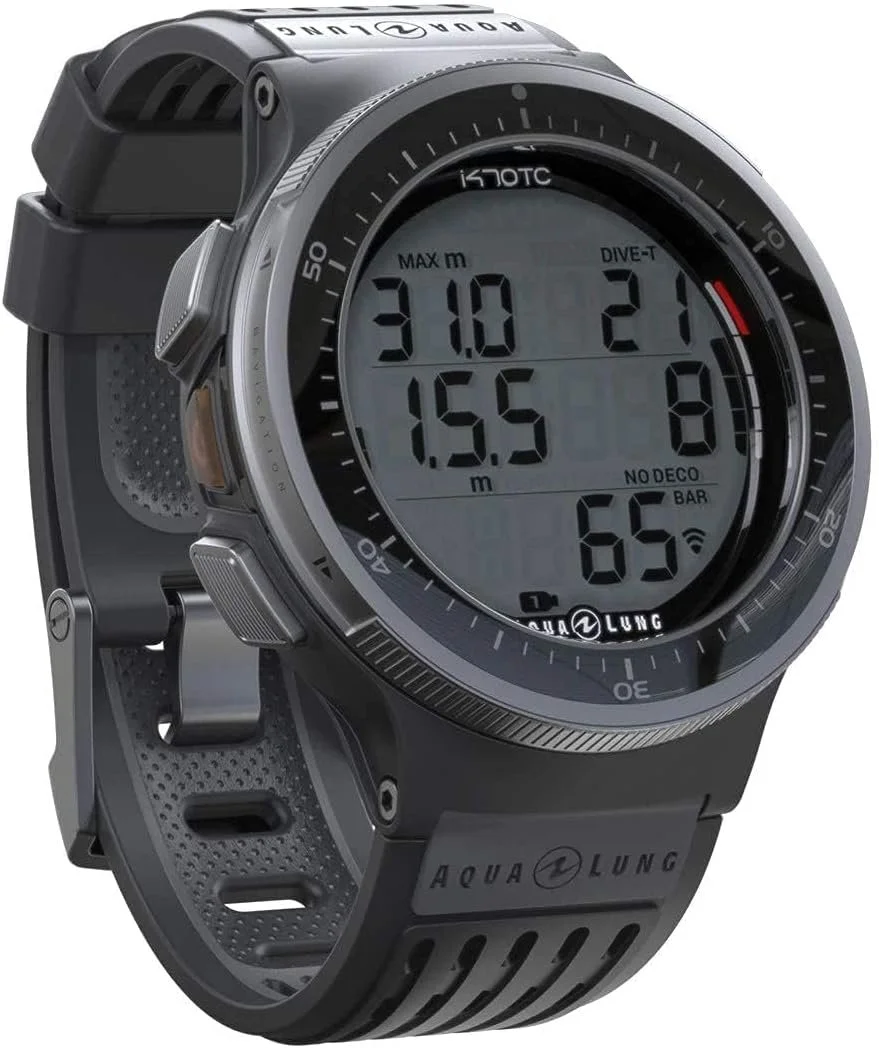
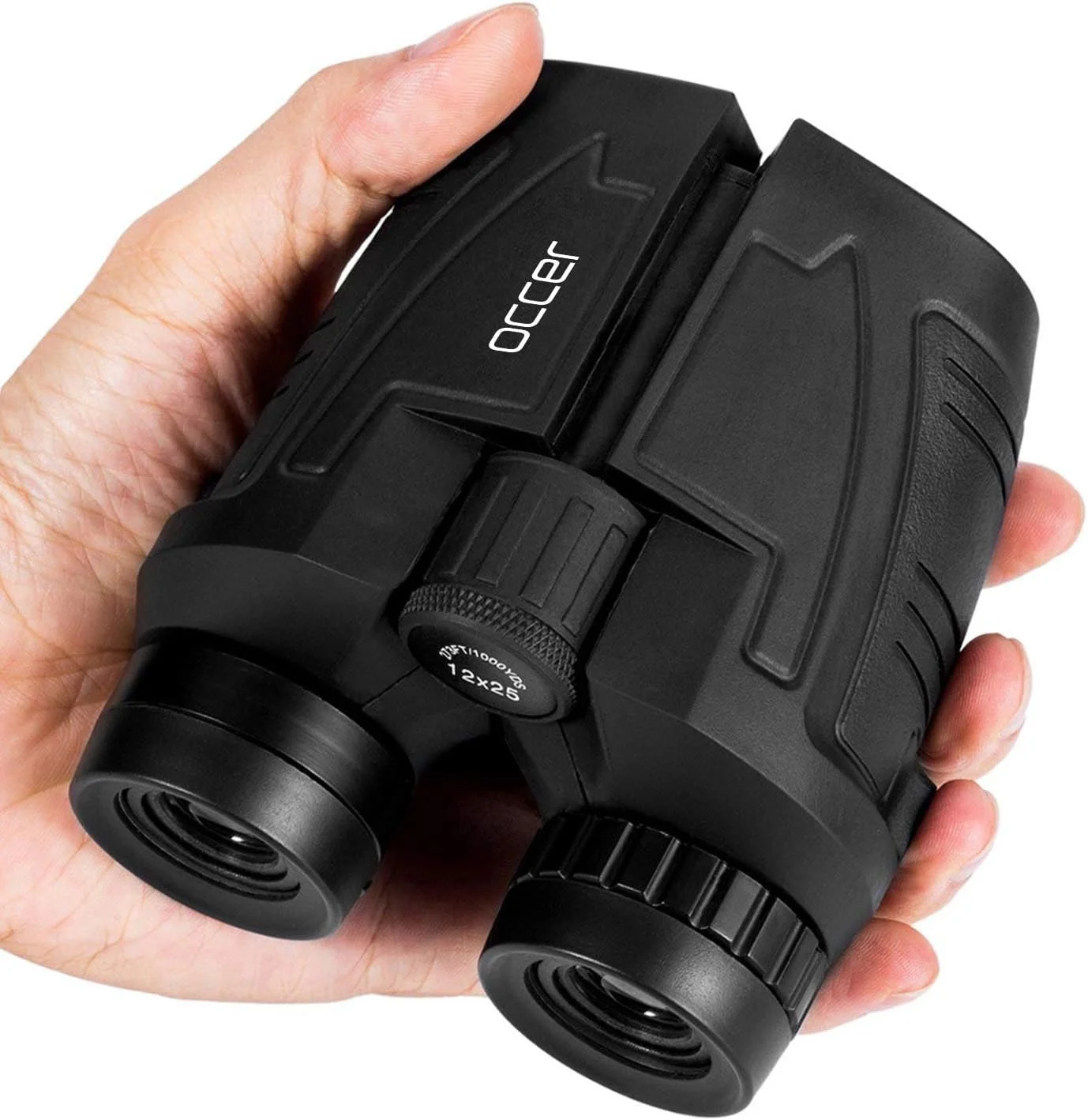
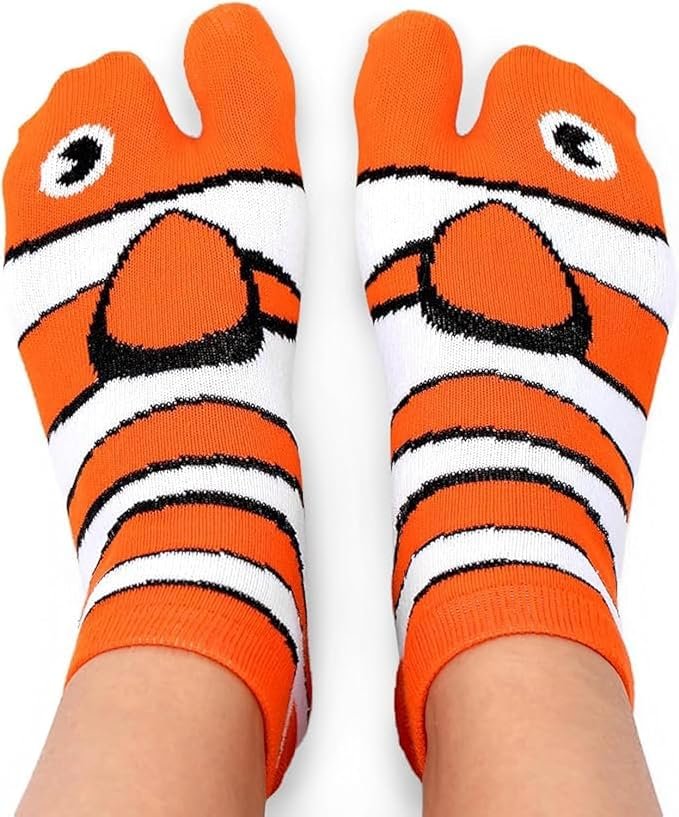
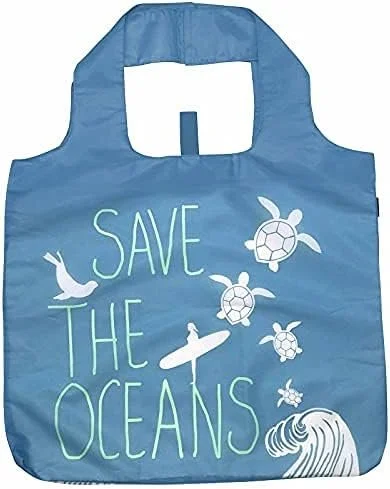
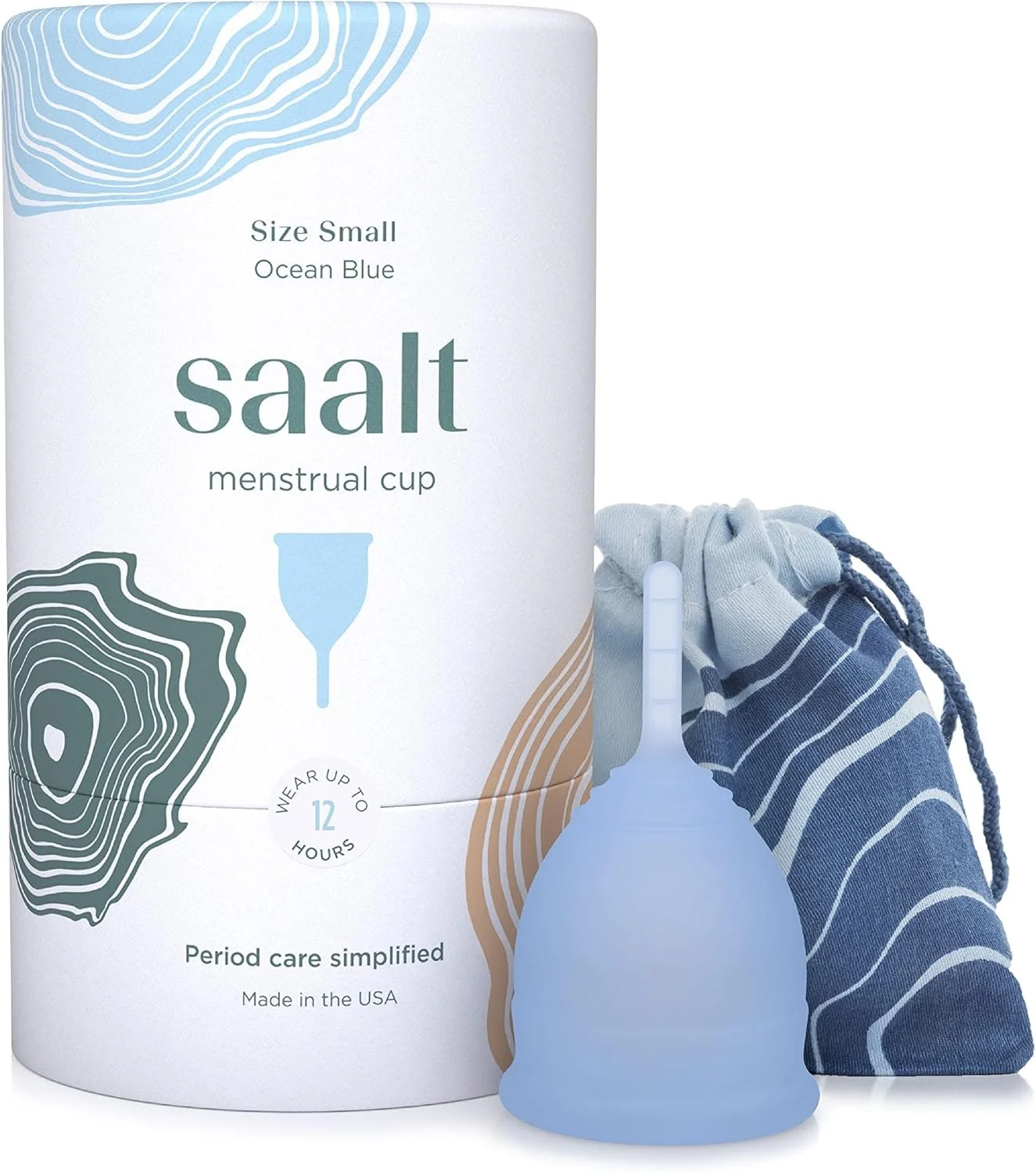
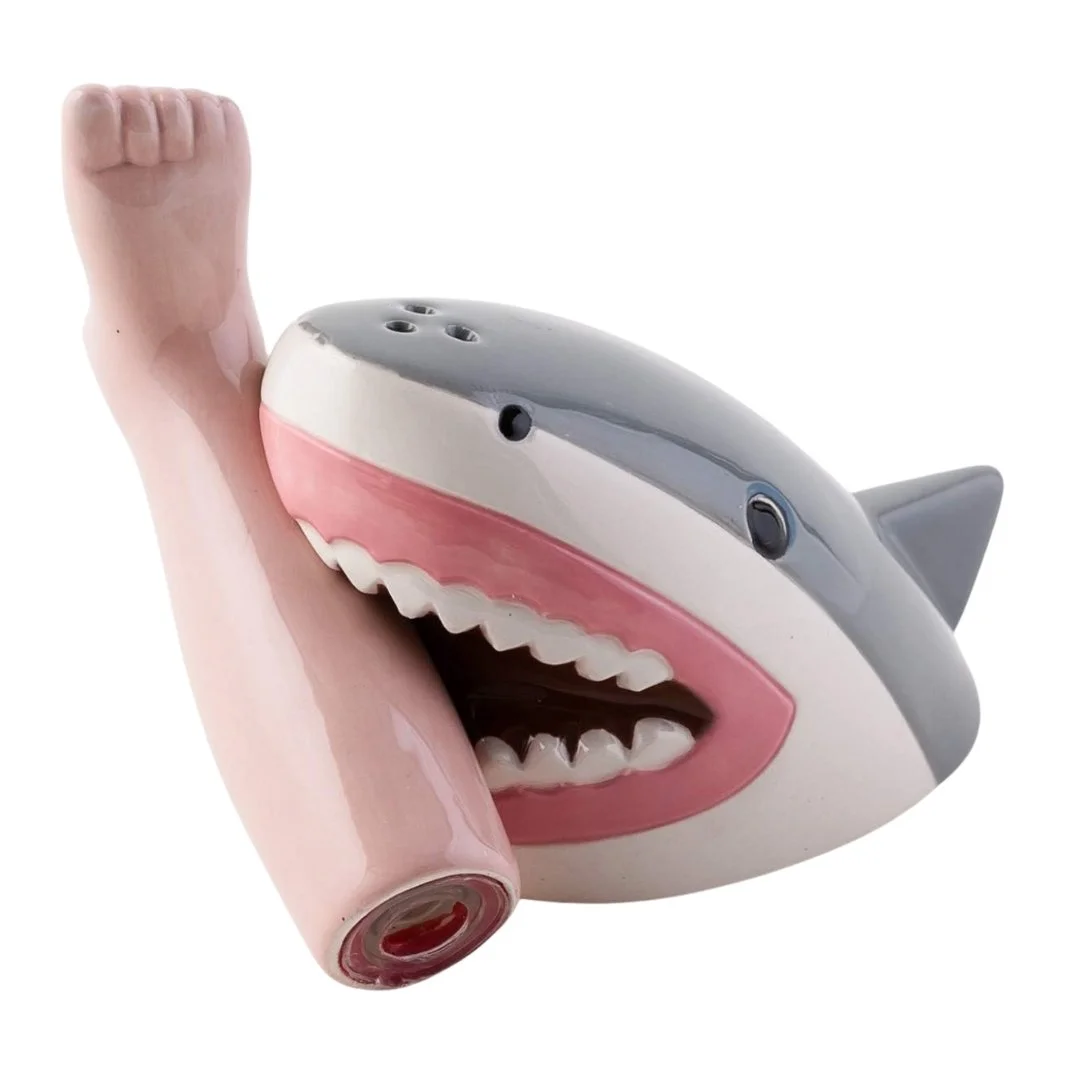
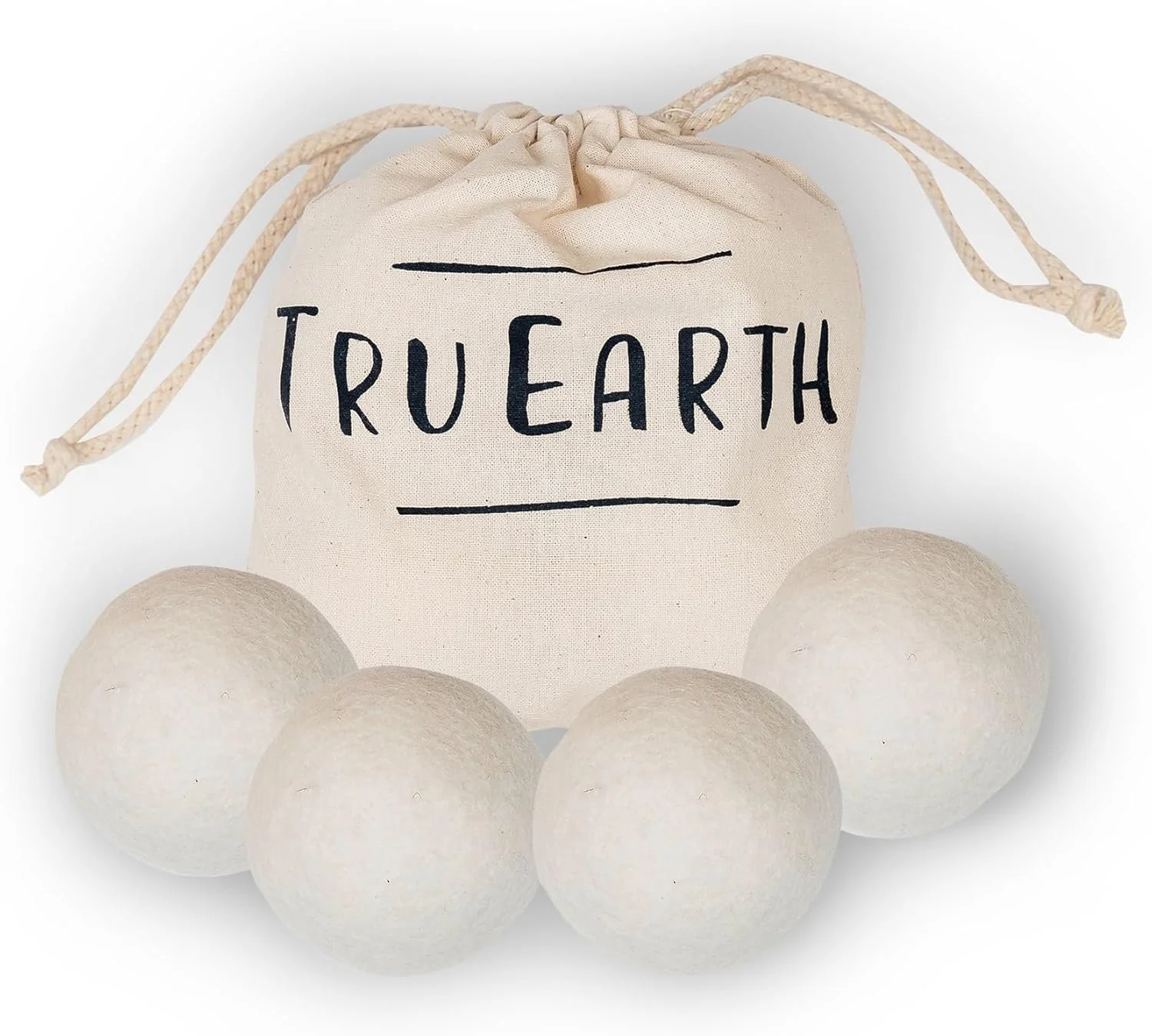
From sustainable household items to quirky sealife accessories, these tried-and-true products are sure to make you smile!




Not sure when to specialize in marine biology or marine science? This helpful guide breaks down when to stay broad, when to specialize, and how to make strategic academic decisions that protect your future career options as a scientist.